
3 semaines à travers l’Europe en train: mon itinéraire Interrail
Vous êtes à la recherche de l’itinéraire Interrail idéal pour trois semaines en Europe? Au cours de mon voyage, j’ai visité six pays, je me suis déplacé exclusivement en train et j’ai découvert aussi bien des capitales que des petites pépites. Dans ce guide, je vais vous dévoiler mon itinéraire précis, mon budget et tout ce que j’ai appris en chemin.
Sommaire
Qu’est ce que le Pass Interrail
Si vous avez déjà rêvé de parcourir l’Europe en train, le Pass Interrail est l’un des moyens les plus simples et les plus flexibles d’y parvenir.
Ce pass permet aux résidents européens de voyager à bord de milliers de trains dans plus de 30 pays avec un seul billet. Selon le pass que vous choisissez, vous pouvez voyager pendant un certain nombre de jours au cours d’une période donnée, ce qui en fait la solution idéale pour les voyages en sac à dos ou les aventures dans plusieurs pays.
Discover Eu organise chaque année un jeu-concours et offre des centaines de pass aux personnes qui viennent d’avoir 18 ans.
Celui que j’ai choisi est le Global Pass, qui offre 7 jours de voyage flexibles sur une période d’un mois, pour 286 € (conseil : attendez les soldes d’hiver pour l’acheter).
Faut-il réserver ?
Certains trains exigent une réservation de place (les trains de nuit, par exemple) ; cela coûte environ 8 €. C’est parce que ces trains sont bondés ! Mais vous pouvez choisir de ne prendre que des trains ne nécessitant pas de réservation. Avec Interrail, votre itinéraire est toujours flexible !
Lorsque j’ai commencé à planifier mon voyage Interrail, je me suis vite rendu compte qu’il existait des centaines d’itinéraires possibles. Plutôt que d’essayer de visiter autant de pays que possible, j’ai voulu combiner des villes animées, la nature et des destinations abordables, tout en conservant des temps de trajet raisonnables.
Cet itinéraire correspond exactement au parcours que j’ai suivi, et avec le recul, je n’y changerais pas grand-chose.
Notre itinéraire 🗺️
Passons maintenant à l’itinéraire détaillé ! Voici comment nous avons passé chaque journée de notre aventure Interrail de trois semaines, d’une destination à l’autre.
Paris (1 jour)
Comme j’habite en France, je ne voulais pas passer trop de temps à Paris, car je peux toujours y retourner. Mais je tenais tout de même à y passer une journée, car on ne peut pas manquer la capitale française. Il y a beaucoup de musées à visiter, et Montmartre est un quartier incontournable. Je vous recommande vivement d’y passer un après-midi.
🚆Comment s’y rendre :
Nous avons pris un train jusqu’à l’aéroport de Paris-CDG, qui est en réalité assez éloigné du centre-ville. Nous avons dû payer 14 € pour rejoindre Paris en RER; je vous recommande donc, si possible, d’arriver plutôt dans l’une des gares centrales. Cela peut vous faire économiser pas mal d’argent et de temps
🏠Où nous avons séjourné :
Nous avons séjourné à l’hôtel F1 Saint-Ouen. C’était pas cher du tout (52€ la nuit) et nous avions une petite chambre, mais honnêtement, cela a parfaitement fait l’affaire pour une nuit. L’hôtel n’était qu’à quelques stations de métro du centre-ville, ce qui en faisait un point de départ pratique pour explorer Paris.
🌺Mes coups de cœur :
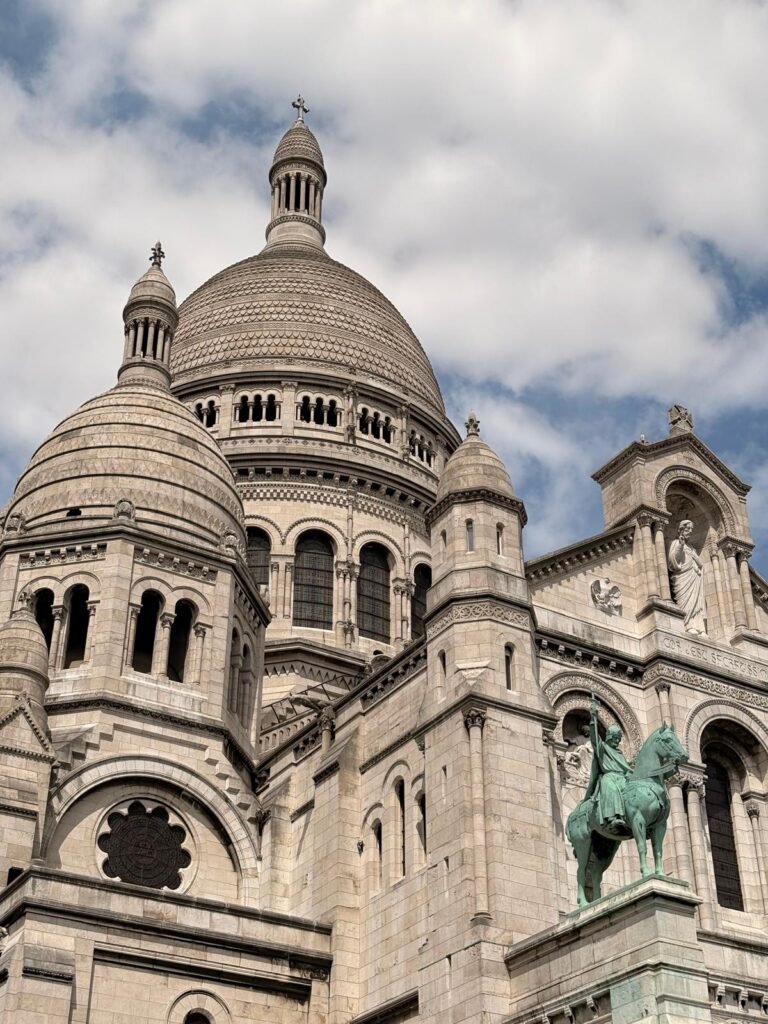
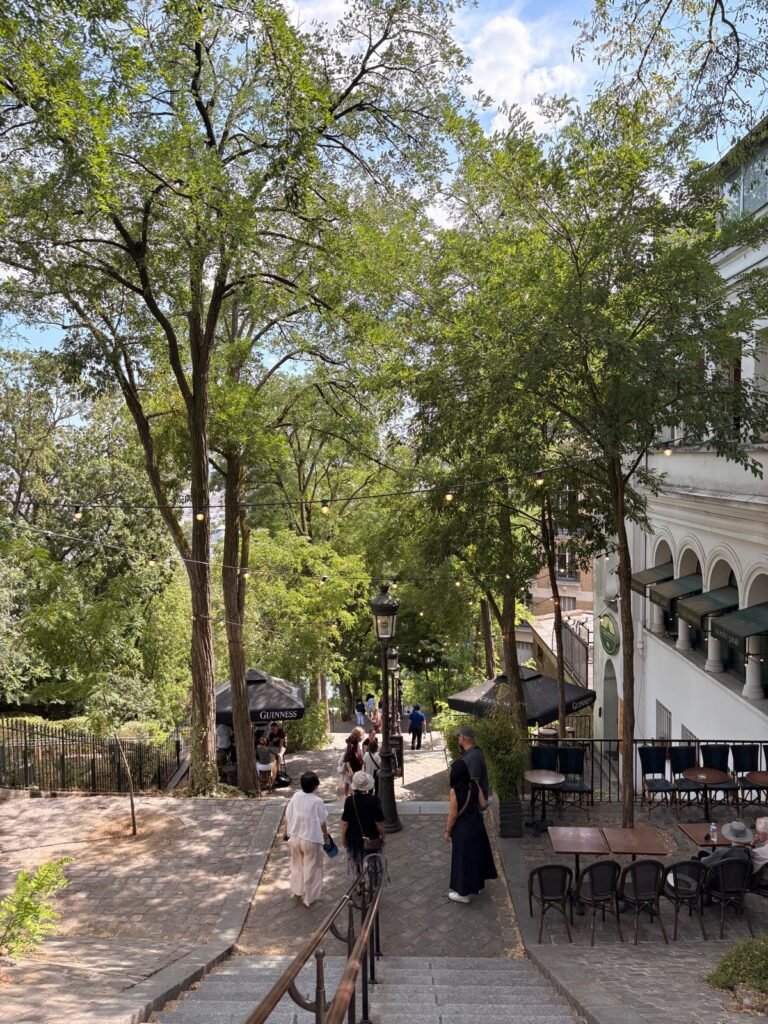
Montmartre : nous sommes montés jusqu’au sommet pour profiter d’une des plus belles vues sur Paris. Ce quartier était autrefois un lieu de rencontre pour de nombreux artistes au XXe siècle, et on y ressent encore aujourd’hui cette atmosphère artistique. J’ai adoré m’y promener et m’imprégner de l’ambiance.
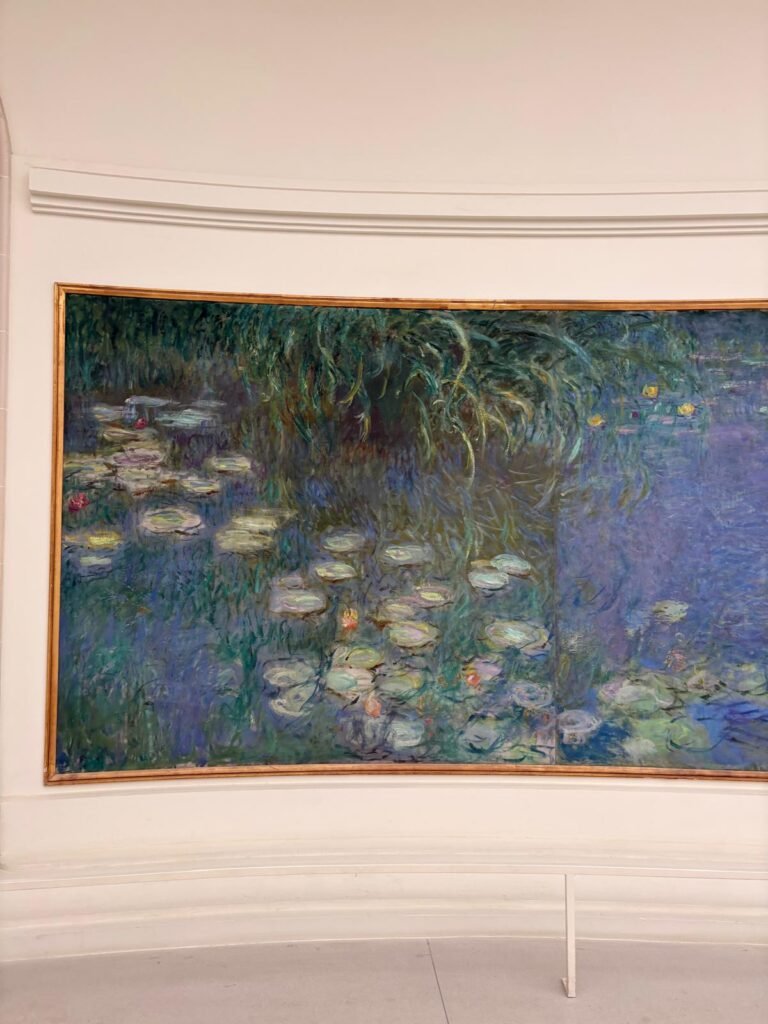
Musée de l’Orangerie : l’une de mes étapes préférées. On peut y admirer les célèbres « Nymphéas » de Claude Monet. Et si vous avez moins de 26 ans et que vous résidez dans l’Union européenne, l’entrée est gratuite, ce qui rend l’expérience encore plus agréable !
❤️ Est-ce que je recommande Paris ?
Oui ! Si vous n’êtes jamais allé à Paris, vous devriez absolument y aller. Il y a tellement de choses à voir et à faire, et bien sûr, plein de petits cafés sympas à découvrir. En plus, Paris est réputée pour sa cuisine exceptionnelle, et en tant que Française, je ne peux qu’être d’accord ! 🥐
Interlaken (3 jours)
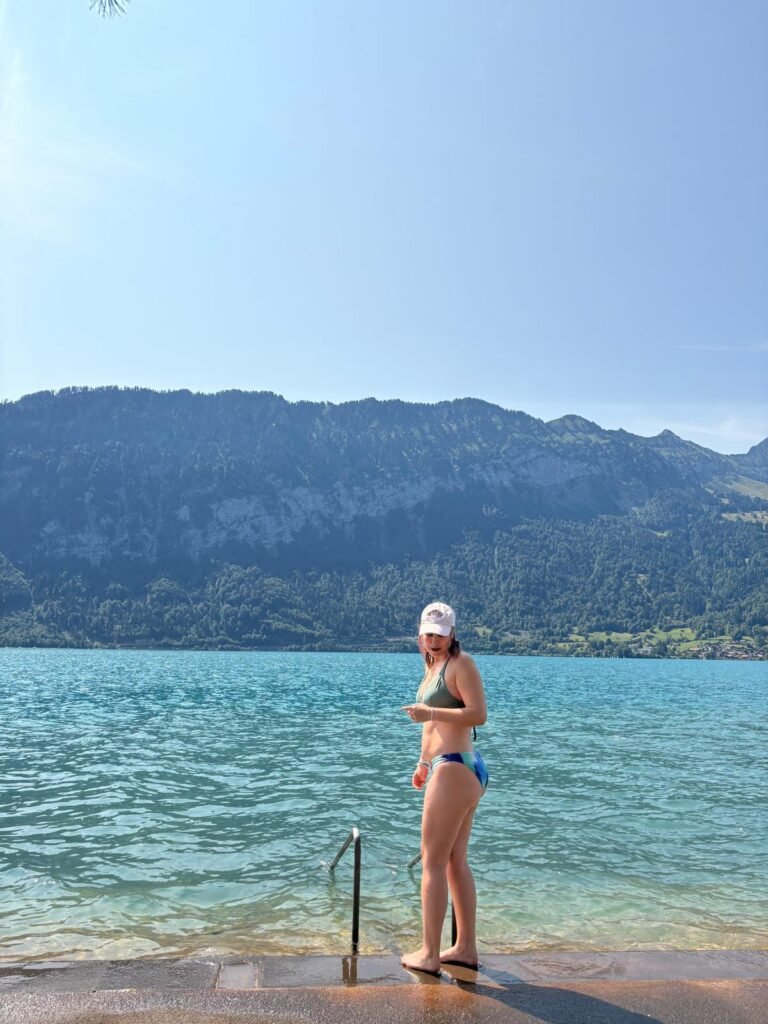
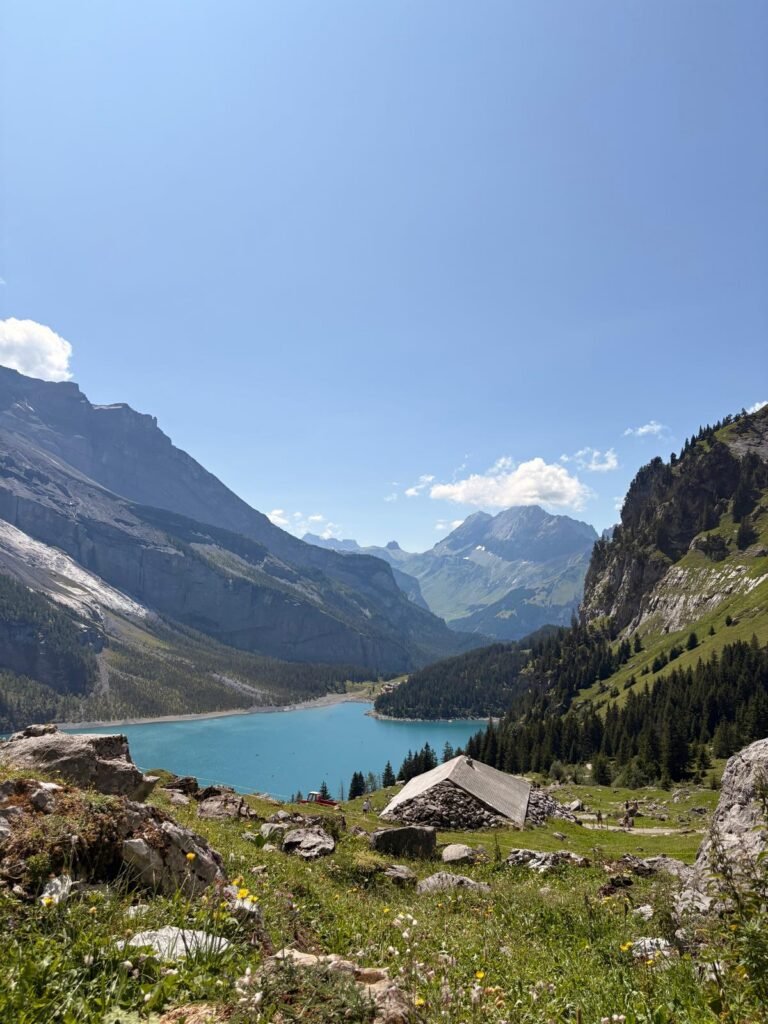
Interlaken est une ville située entre deux lacs, le lac de Thun et le lac de Brienz. C’est ce qui en fait une destination idéale, car il y a beaucoup à découvrir. Elle se trouve également tout près du lac d’Oeschinen (à 1 heure en train) ; n’oubliez donc pas d’emporter vos chaussures de randonnée et préparez-vous à admirer des paysages à couper le souffle. En Suisse, l’eau est d’une clarté et d’un bleu exceptionnel. En été, elle est parfaite pour se baigner et très calme.
🏠Où nous avons séjourné :
Nous avons choisi le Balmers’ Hostel, car c’était l’hébergement le moins cher de la ville. Le Balmers’ Hostel affiche certaines des meilleures notes sur Hostelworld, avec une note de 9,5/10 attribuée par des milliers de voyageurs.
La cuisine commune nous a été très pratique pour faire des économies en préparant nos pique-niques.
Cette auberge était très accueillante et nous a permis de rencontrer facilement des gens venus des quatre coins du monde. Le personnel était très sympathique et de nombreuses activités étaient organisées pendant la semaine, comme un karaoké ou un pique-nique au coucher du soleil.
⛰️ Ce qui a rendu ce voyage spécial :
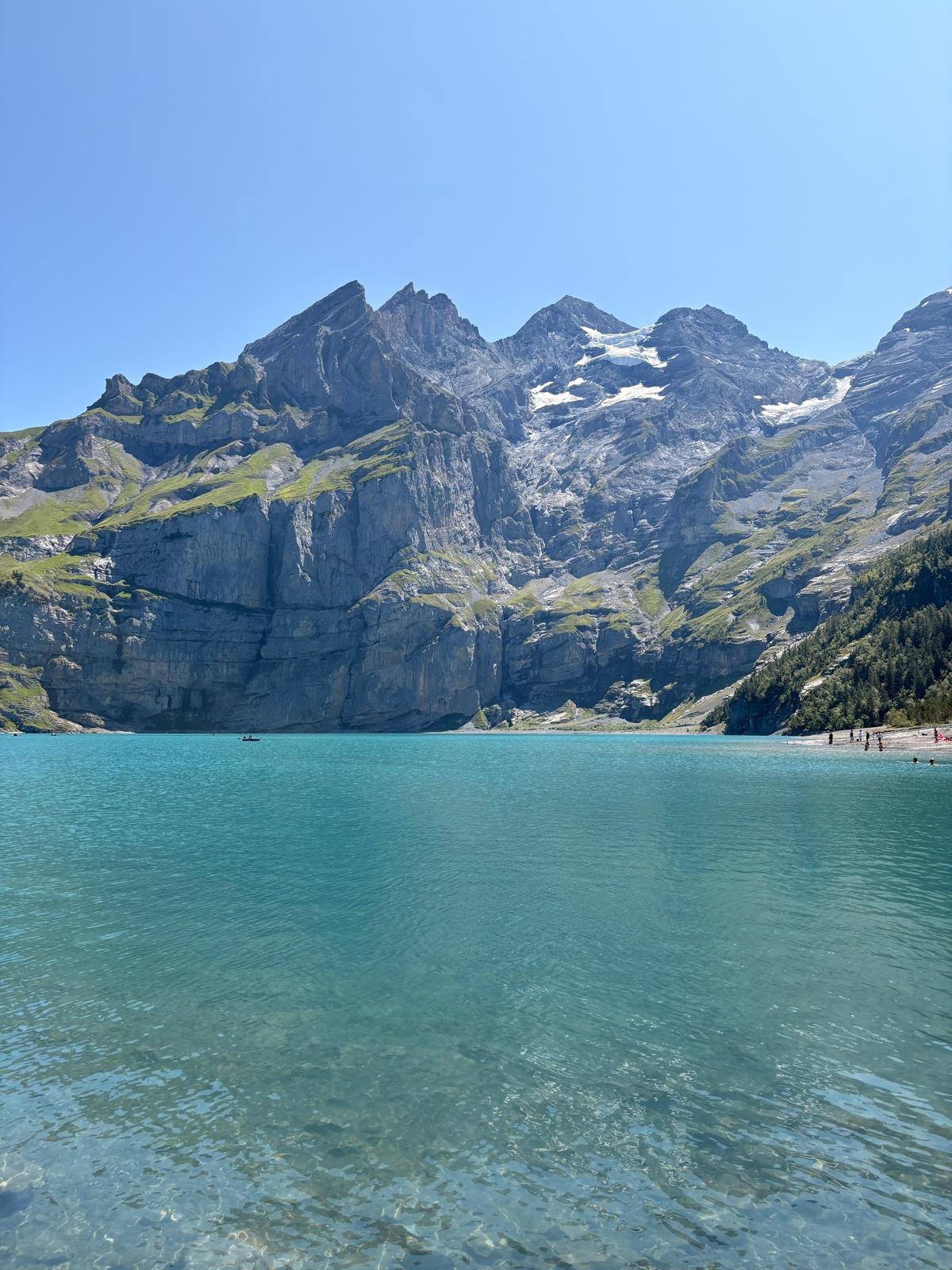
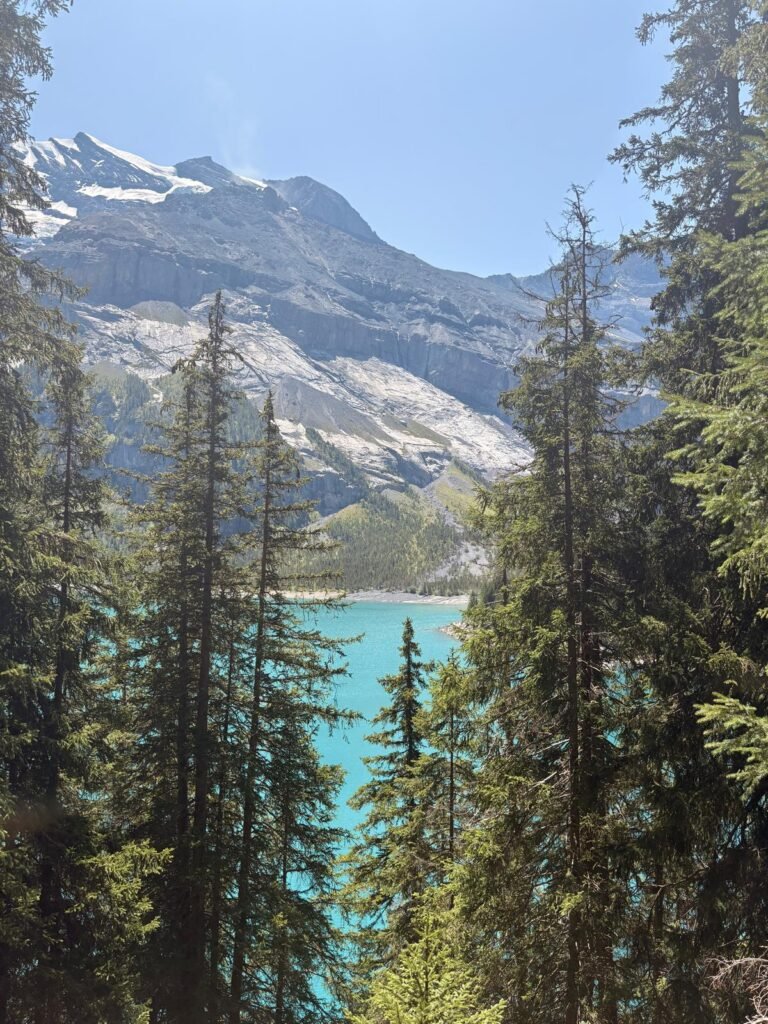
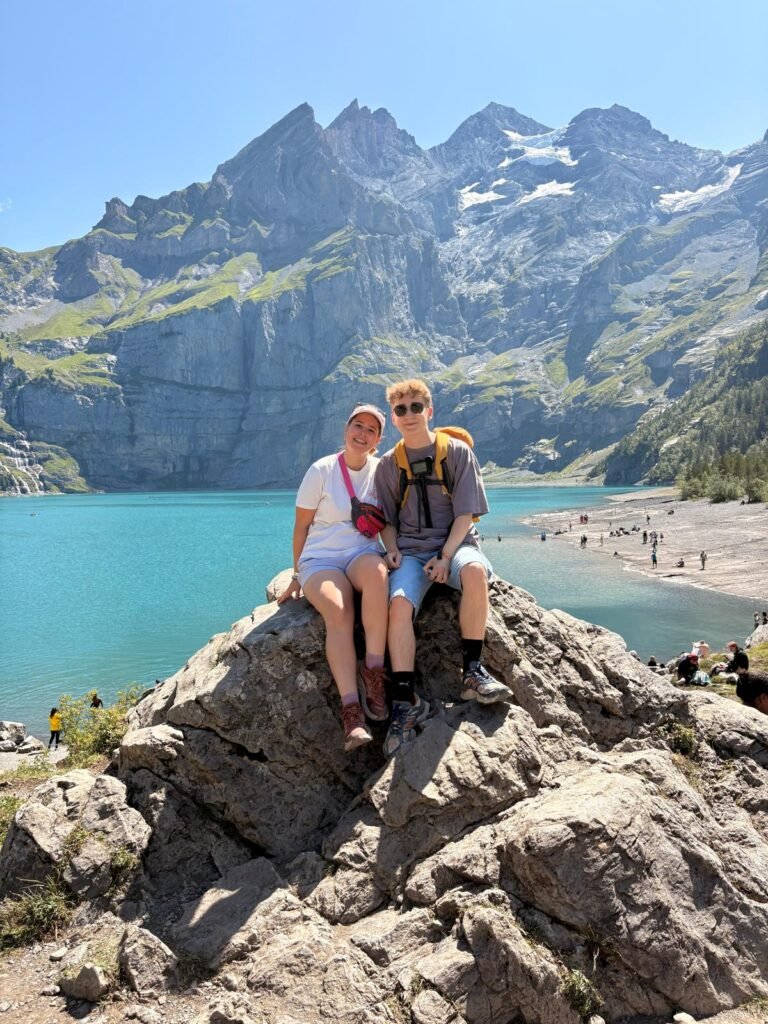
Sans aucun doute, la randonnée jusqu’au lac d’Oeschinen a été la meilleure expérience que j’ai vécue en Suisse. Le sentier offre des paysages alpins à couper le souffle, et atteindre ce lac aux eaux turquoise a été une véritable récompense. Nous avons passé l’après-midi à nous détendre au bord de l’eau avant de poursuivre la randonnée un peu plus haut pour profiter d’une vue encore plus imprenable sur le lac. Si vous avez envie de faire un peu d’exercice physique dans la région d’Interlaken, je vous recommande vivement cette randonnée.
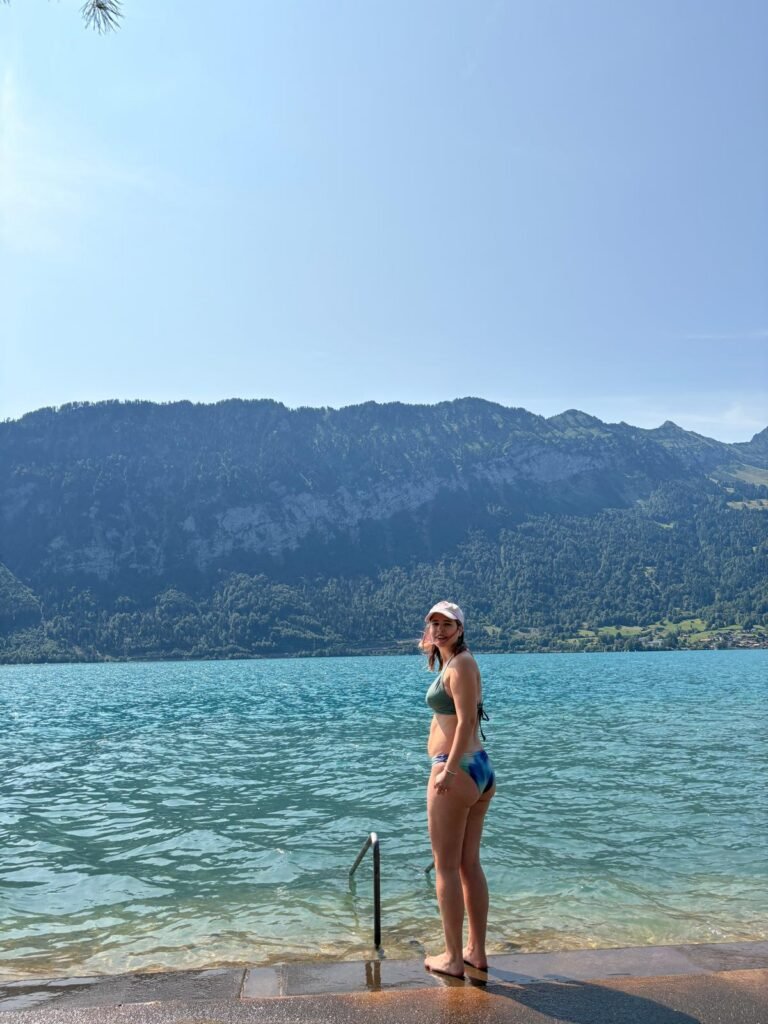
Kayak sur le lac de Thun : après avoir nagé dans le lac, nous avons décidé de louer un kayak chez Mountainsurf, où les prix sont très abordables. (25 CHF) On y profite d’une vue incroyable sur les montagnes et l’ambiance y est vraiment paisible, on est entouré que d’une eau cristalline. C’est une façon complètement différente d’explorer la région, comparée à la randonnée.
💶Budget : le coût de la vie en Suisse est cher, je vous recommande donc de cuisiner vous-même et d’éviter les restaurants. D’ailleurs, on y trouve de très bonnes pâtisseries et de délicieux sandwichs.
💡Conseils : la monnaie suisse est le CHF, et si vous souhaitez payer par carte, des frais supplémentaires s’appliqueront pour la conversion de devise. Essayez donc d’utiliser Revolut ou Trade Republic, qui sont des banques internationales en ligne ; vous pourrez ainsi payer directement en CHF.
❤️ Est-ce que je recommende Interlaken? À 100 %. C’est l’une de mes destinations préférées. C’était surréaliste. On est entouré de montagnes et c’est là qu’on se rend compte à quel point le monde est vaste.
Lucerne (1 jour)
En planifiant mon itinéraire Interrail, je tenais à inclure au moins une ville suisse traditionnelle avant de me rendre en Italie. Lucerne m’a semblé être l’étape idéale, alliant une vieille ville pleine de charme, de magnifiques paysages au bord du lac et des liaisons ferroviaires pratiques vers le reste de l’Europe.
🚆Comment s’y rendre :
Je me suis rendue à Lucerne en train, mais nous n’avons pas utilisé le pass car le trajet était court. Je vous recommande de réserver vos jours de voyage pour les trajets plus longs.
L’une des choses que j’ai adorées en Suisse, c’est l’efficacité et la beauté des trajets en train. Même le simple fait de se rendre d’une destination à une autre faisait partie de l’aventure.
🏠Où nous avons séjourné :
Backpackers Lucerne : le personnel de l’auberge était incroyablement sympathique et nous a permis de laisser nos sacs à dos sur place avant que notre chambre ne soit prête. C’était un tout petit geste, mais cela nous a permis de commencer à explorer Lucerne immédiatement au lieu d’attendre avec nos bagages.
🌺Ce que j’ai le plus aimé :
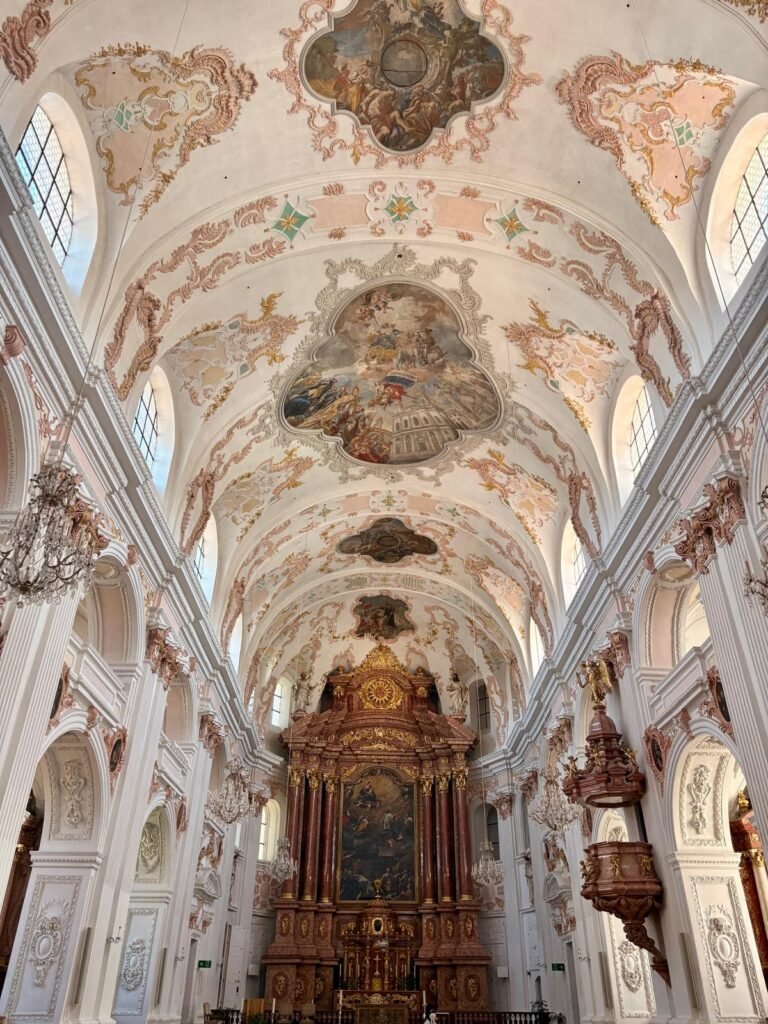
L’église des Jésuites est, sans exagération, l’une des plus belles églises que j’ai visitées en Europe.
Son intérieur baroque aux teintes roses, associé à la lumière naturelle qui pénètre par les vitraux, crée une atmosphère tellement paisible. J’ai fini par y rester bien plus longtemps que prévu, car je ne pouvais m’empêcher d’admirer tous les détails. Même si vous n’êtes pas particulièrement intéressé par les églises, je pense sincèrement que celle-ci vaut le détour.
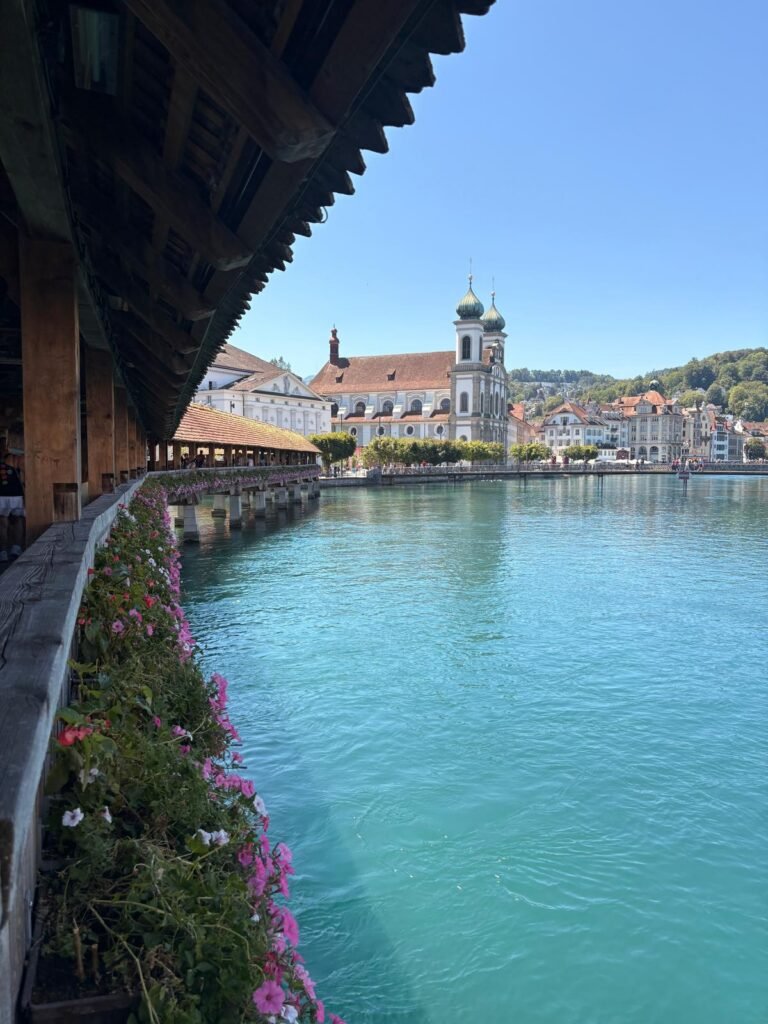
Le célèbre pont de la Chapelle est l’un des monuments les plus emblématiques de Lucerne, et ce pont en bois orné de fleurs semble tout droit sorti d’une carte postale. Mais ce que j’ai préféré à Lucerne, c’était tout simplement de flâner sans but précis.
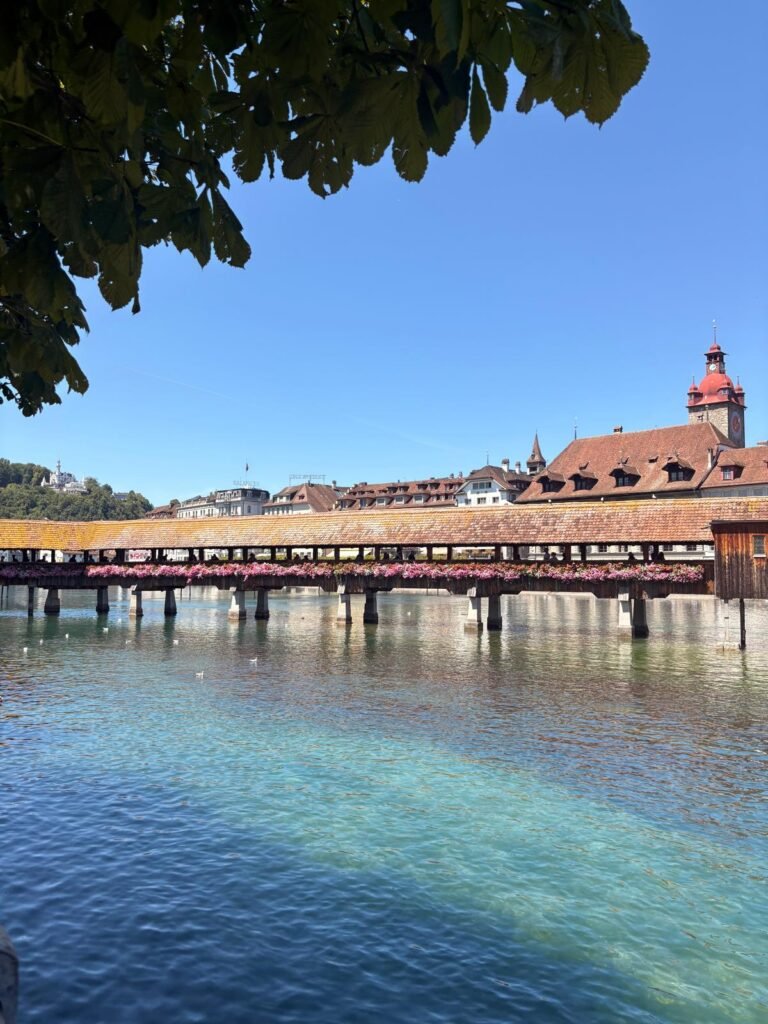
Les bâtiments colorés, les boutiques, les cafés chaleureux et les rues tranquilles en font la ville idéale à découvrir à pied. Bien sûr, nous ne pouvions pas quitter la Suisse sans goûter au délicieux chocolat suisse en chemin.
❤️ Est-ce que je recommende Lucerne ? Absolument ! Mais je la conseillerais plutôt comme étape d’une journée que comme lieu de séjour prolongé.
Lucerne dégage une magnifique ambiance médiévale et se parcourt très facilement à pied, ce qui en fait une destination idéale pour les voyageurs disposant de peu de temps. En revanche, si vous recherchez des paysages de montagne spectaculaires et des aventures en plein air, je passerais davantage de temps à Interlaken, qui offre bien plus d’activités.
Lac de Côme (2 jours)
Même si le lac de Côme n’est qu’à quelques heures en train de la Suisse, l’ambiance change du tout au tout dès votre arrivée. Les bâtiments colorés, les palmiers et les gens qui savourent un Aperol Spritz au bord du lac vous donnent immédiatement l’impression d’être en Italie.
Même s’il n’y a pas énormément de choses à faire dans la ville de Côme elle-même, la véritable beauté du lac de Côme réside dans la découverte des charmants villages disséminés tout autour du lac.
Grâce aux bus et aux ferries locaux, il est facile de visiter plusieurs villages en seulement quelques jours. Je recommande tout particulièrement de vous rendre dans des petits villages comme Nesso et Bellagio, qui ont été mes étapes préférées pendant ce voyage.
- 🚌Ligne de bus pour se rendre à Nesso et Bellagio (C130) : nous avons acheté un pass journalier à 11,50€ via l’application Arriva My Pay.
- 🏠Lieu de séjour : Lavarell APT
🌊Ce qui a rendu ce voyage spécial :
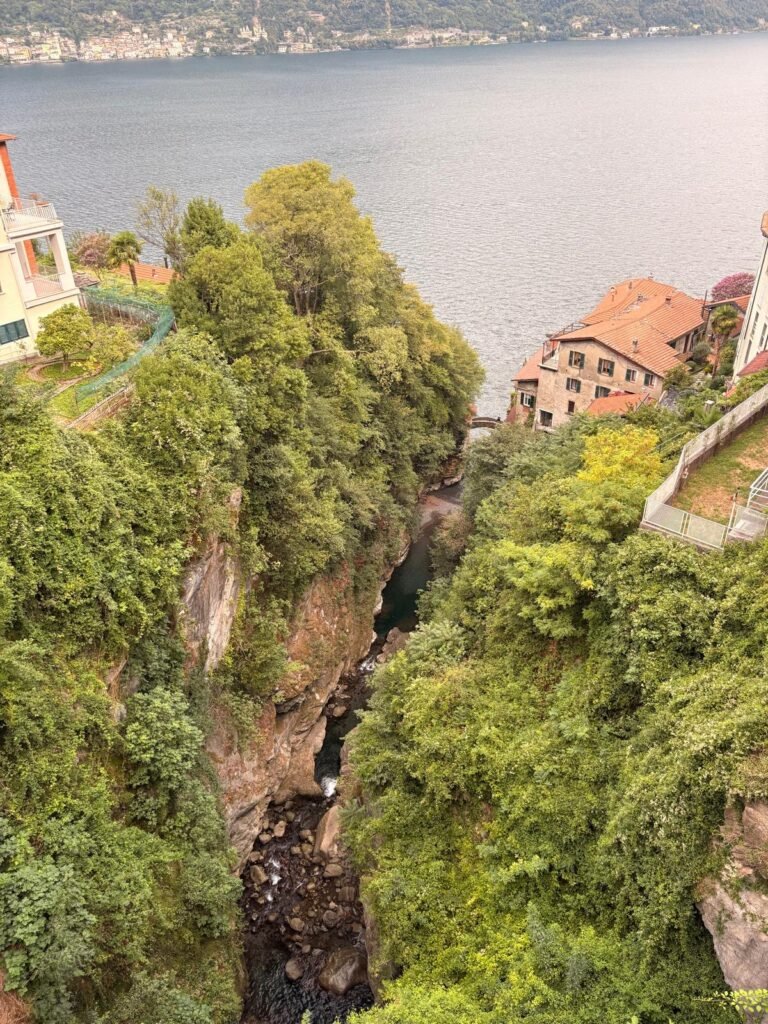
Nesso a été, sans aucun doute, mon endroit préféré autour du lac de Côme. Ce petit village médiéval est bien plus calme que les villes plus touristiques et offre des paysages incroyables.
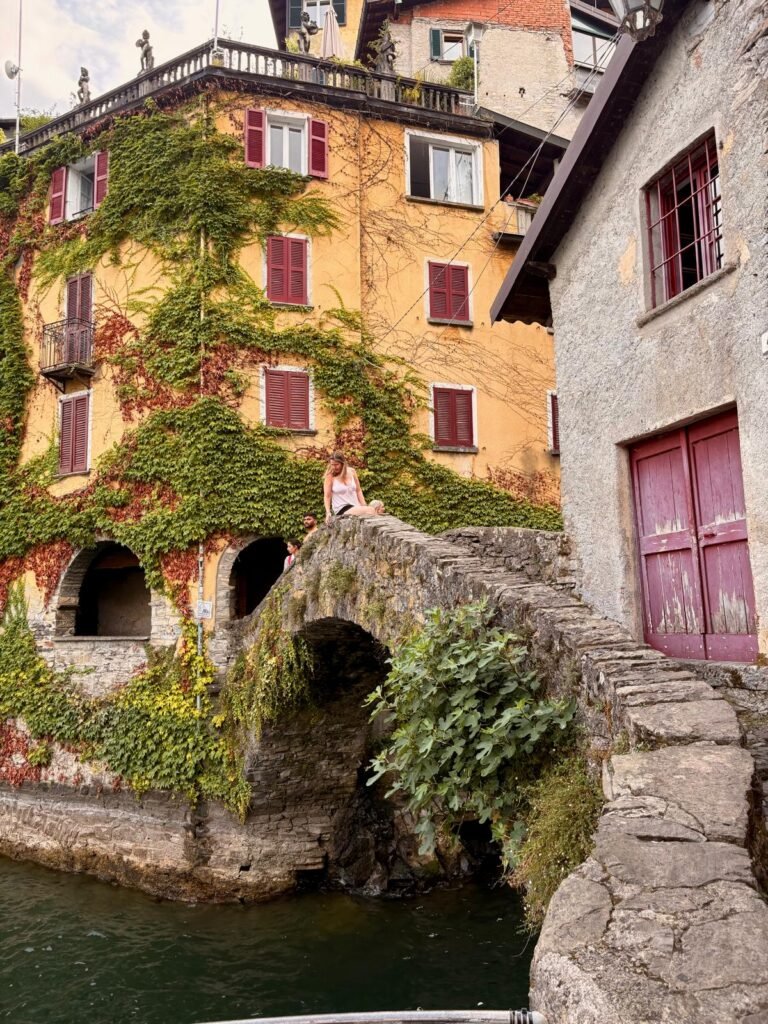
L’un des sites incontournables est l’Orrido di Nesso, une gorge naturelle spectaculaire où une magnifique cascade se jette directement dans le lac. À proximité, vous trouverez également la Piazza Vecchia, un endroit charmant pour se détendre ou même se baigner.
Pour le déjeuner, nous nous sommes arrêtés au Brissa del Nesso, et cela s’est avéré être l’un de nos meilleurs repas du voyage. Si vous y allez, je vous recommande vivement de commander la focaccia à la burrata en entrée, elle était absolument délicieuse.
Après le déjeuner, nous avons pris le bus C130 pour Bellagio, souvent considérée comme l’une des plus belles villes du lac de Côme.
Nous avons passé l’après-midi à flâner dans ses ruelles étroites, à faire le tour des petites boutiques et à admirer la vue imprenable sur le lac. Bien que Bellagio soit beaucoup plus touristique que Nesso, elle vaut vraiment le détour pour son atmosphère charmante et ses rives pittoresques.
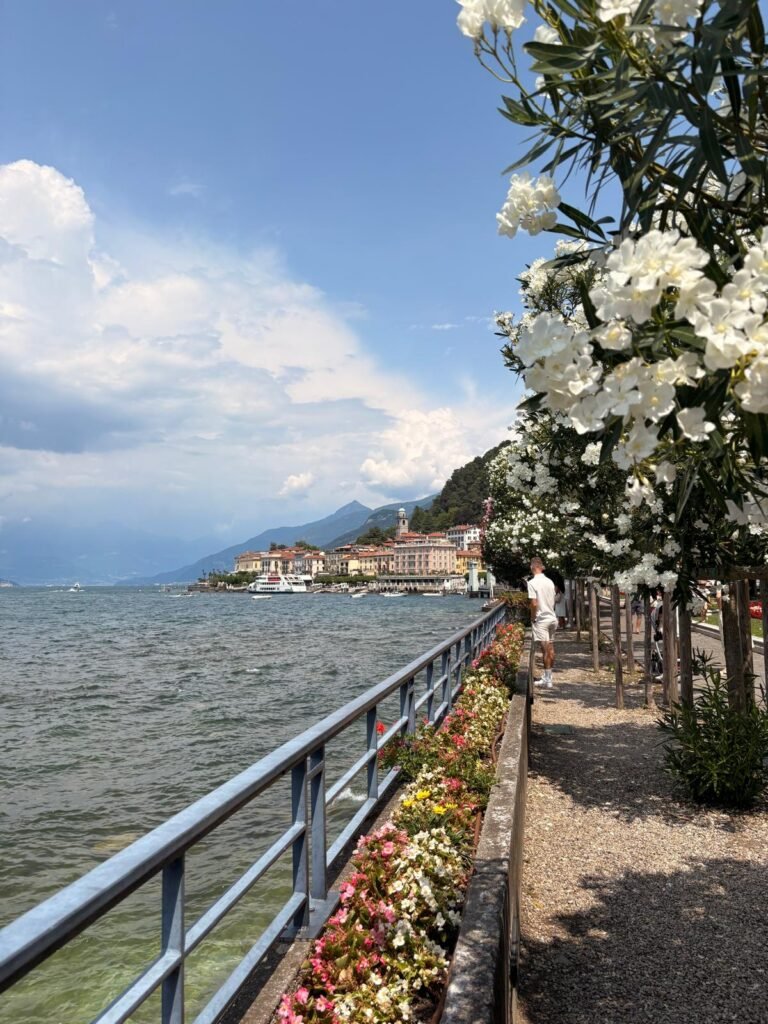
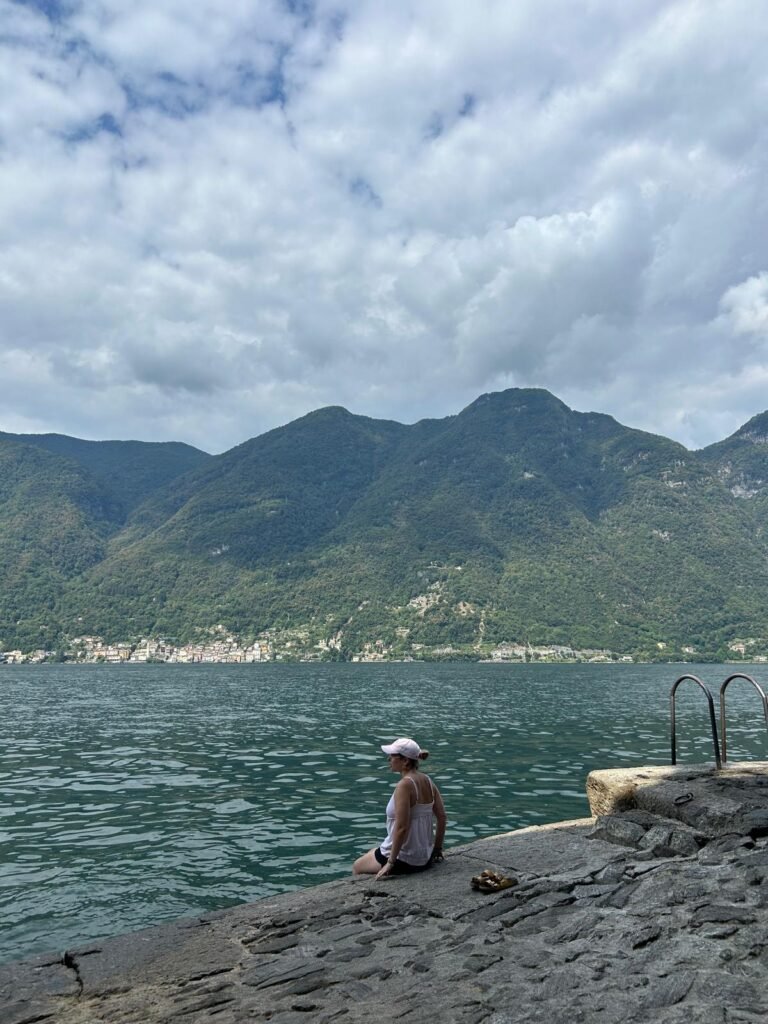
❤️ Est-ce que je recommende le lac de Côme?
Si vous prévoyez un voyage Interrail, je vous recommande vivement de passer au moins deux jours au lac de Côme. Au lieu de rester uniquement à Côme, prenez le temps d’explorer les petits villages autour du lac. C’est ce qui a rendu cette destination si spéciale à mes yeux.
Rome (4 jours)
Rome fait tout simplement partie de ces villes incontournables dans un itinéraire européen. Avec son incroyable histoire romaine, ses monuments de renommée mondiale, sa délicieuse cuisine italienne et son ambiance animée, il y a quelque chose à découvrir à chaque coin de rue.
Je savais que nous ne verrions pas tout en 4 jours, mais cela a été suffisant pour découvrir le mélange unique de ruines romaines, de quartiers charmants et de soirées animées qu’offre la ville.
🏠Où nous avons séjourné : Domus Altino. Nous avons choisi cet hébergement car il était très abordable. Bien qu’il soit situé en dehors du centre-ville, le réseau de bus de Rome nous a permis de rejoindre facilement les principales attractions. Si vous voyagez avec un budget limité, séjourner un peu plus loin peut être un excellent moyen de faire des économies.
🍝Ce qui a rendu ce voyage spécial :
Sans aucun doute, Trastevere a été mon quartier préféré à Rome. Il y règne une atmosphère authentique, très différente de celle du centre touristique.
C’est également l’un des meilleurs endroits pour déguster une cuisine italienne traditionnelle, surtout le soir, lorsque le quartier s’anime. Il faut absolument goûter la carbonara et terminer par une petite douceur : le tiramisu.
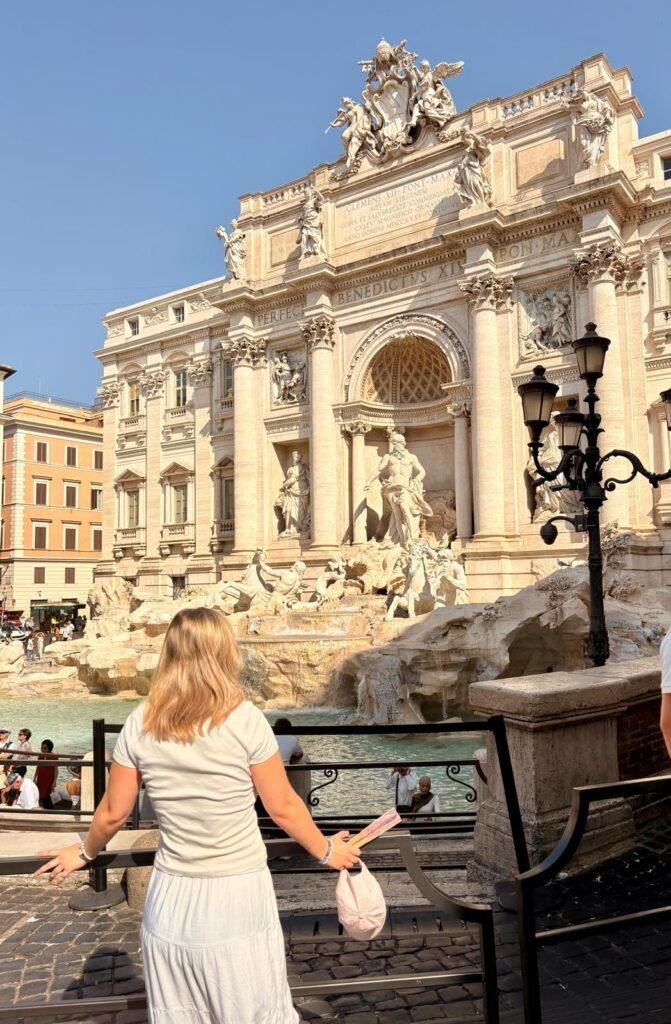
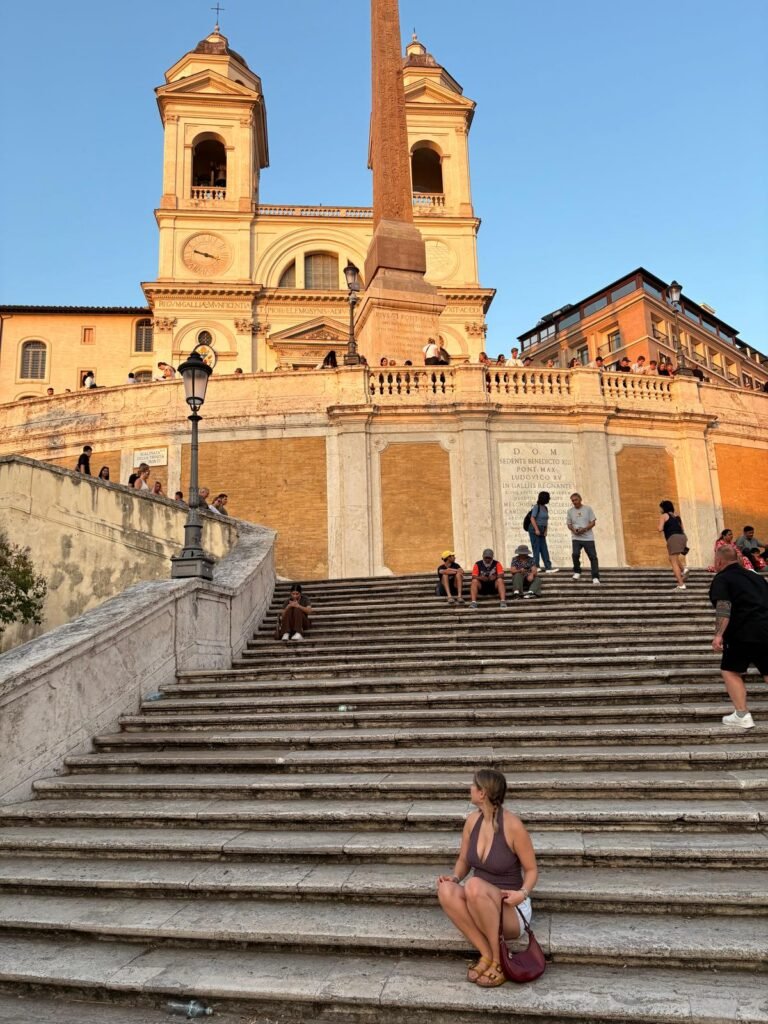
✨Les principaux sites touristiques de Rome
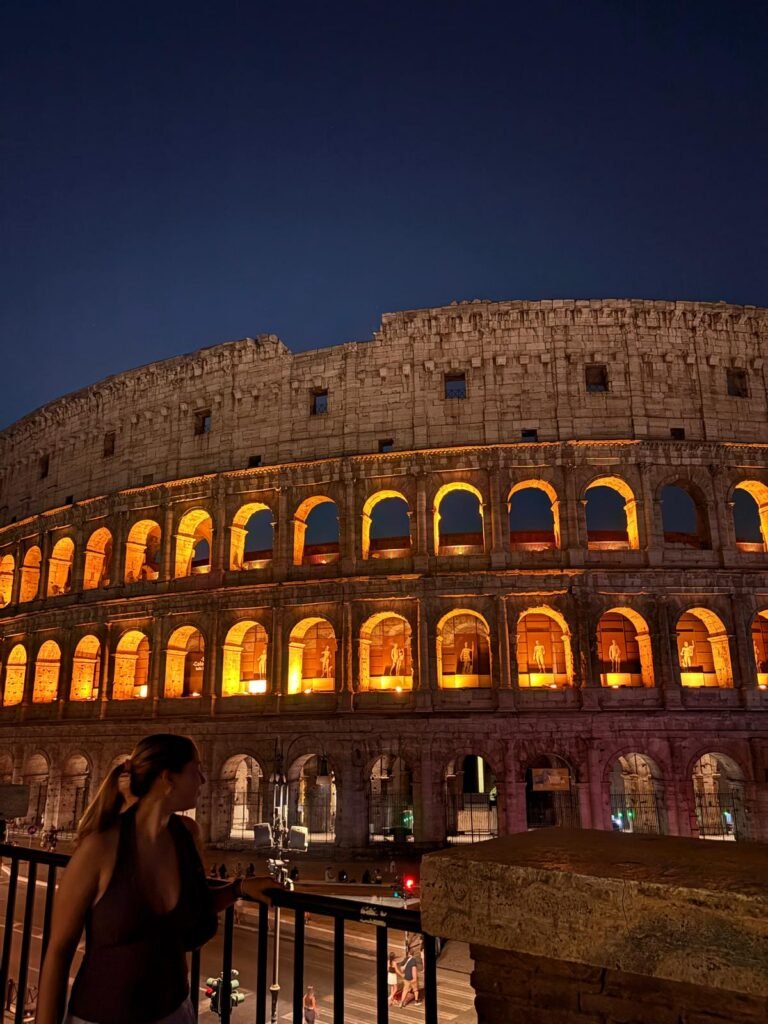
- Le Colisée et le Forum romain
- La Piazza Navona
- La fontaine de Trevi
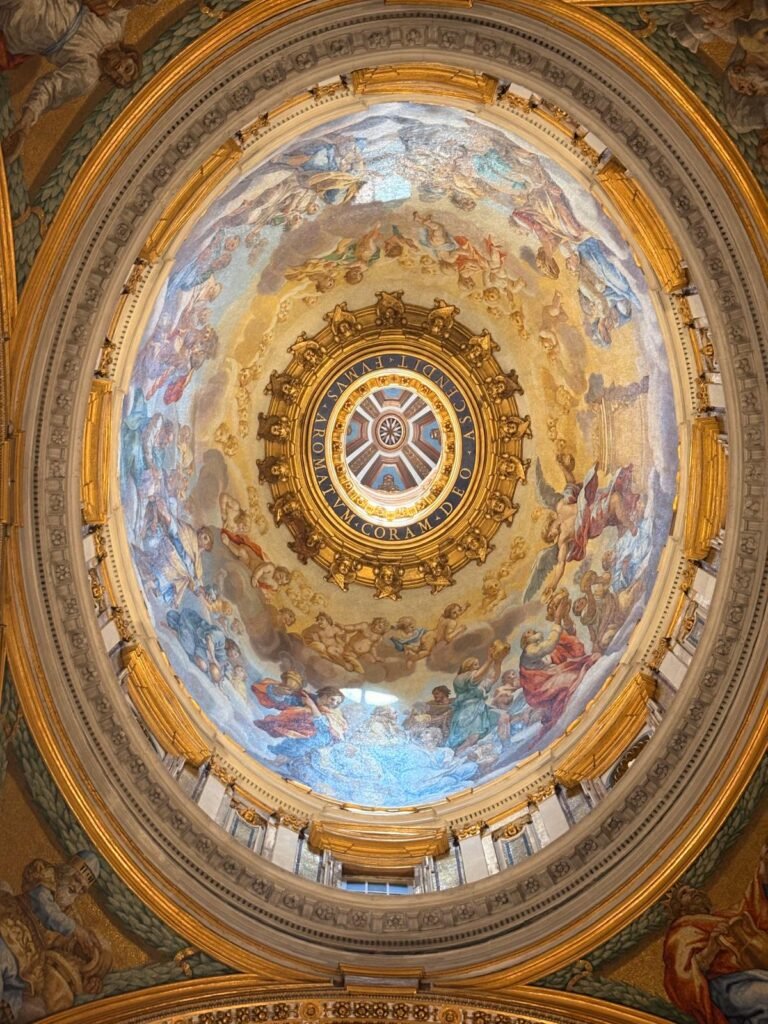
- La basilique Sant’Andrea della Valle
- Le Panthéon
- La Cité du Vatican et le château Saint-Ange
🍕Quelques adresses gastronomiques à découvrir
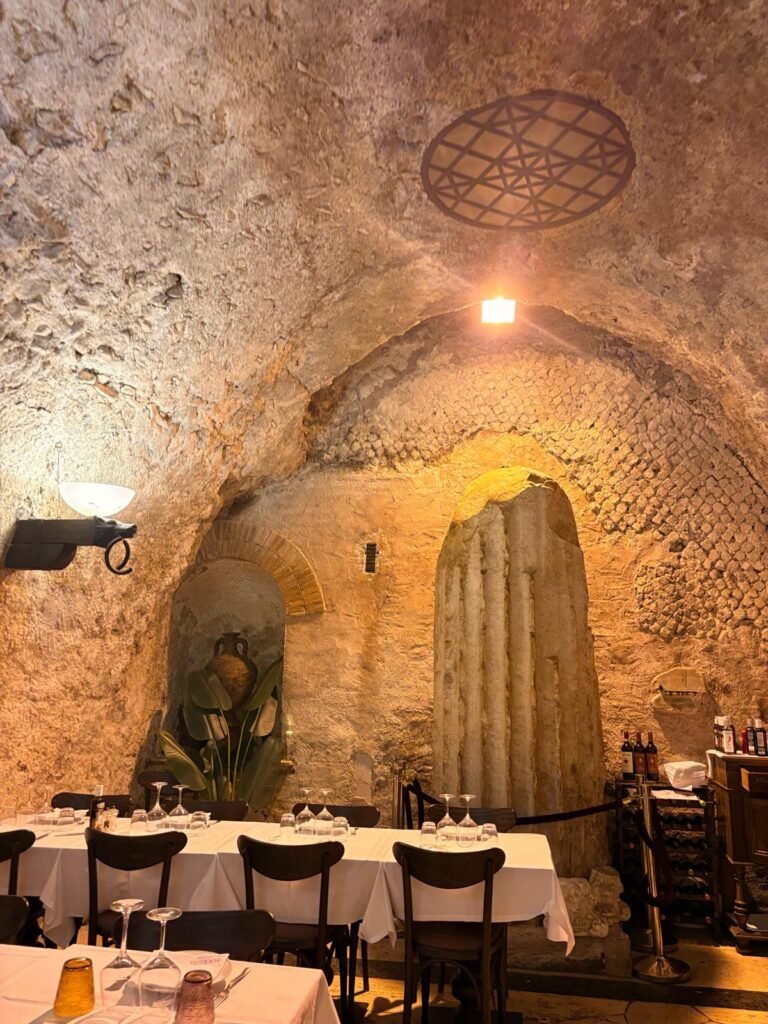
- Ristorante Pancrazio dal 1922
- Molino bakery bar & cucina
- Pizzeria Giardino Interno
❤️ Est-ce que je recommande Rome ?
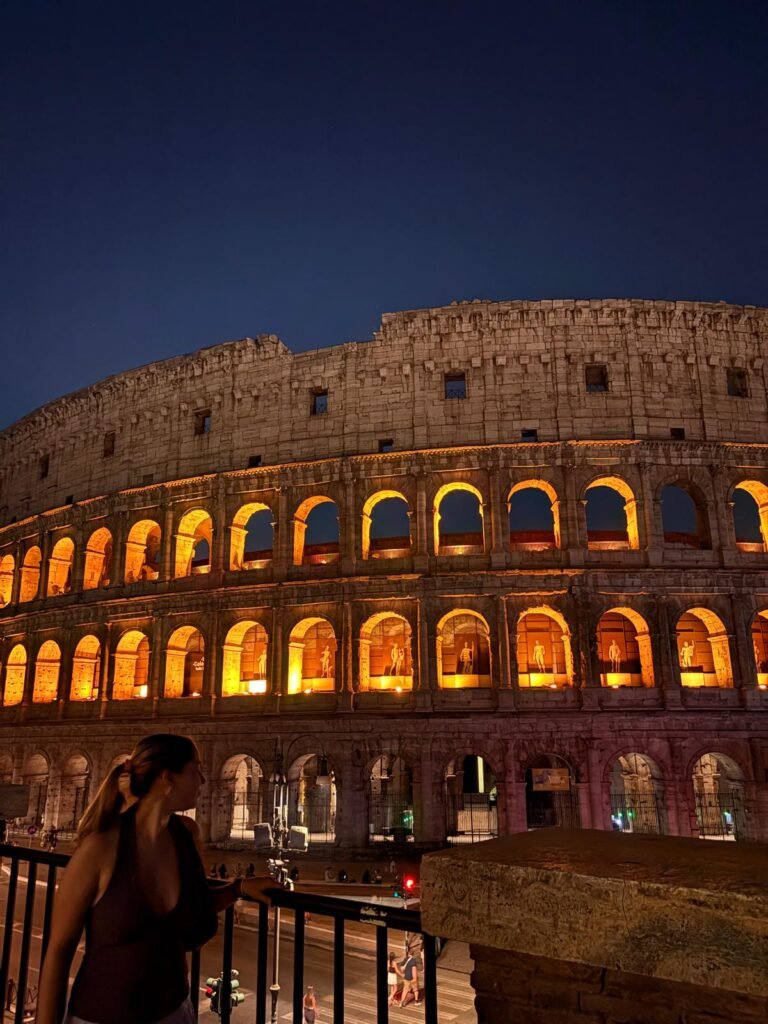
Absolument ! Si vous n’êtes jamais allé à Rome, je pense vraiment que ça vaut le détour. Il y a tant à voir, des monuments antiques comme le Colisée aux belles rues, en passant par les fontaines et les petits cafés qui se cachent à chaque coin de rue. La ville peut être assez bondée et envahie par les touristes, mais son ambiance, son histoire et sa gastronomie en font une ville où je retournerais avec plaisir.
Venice (3 jours)
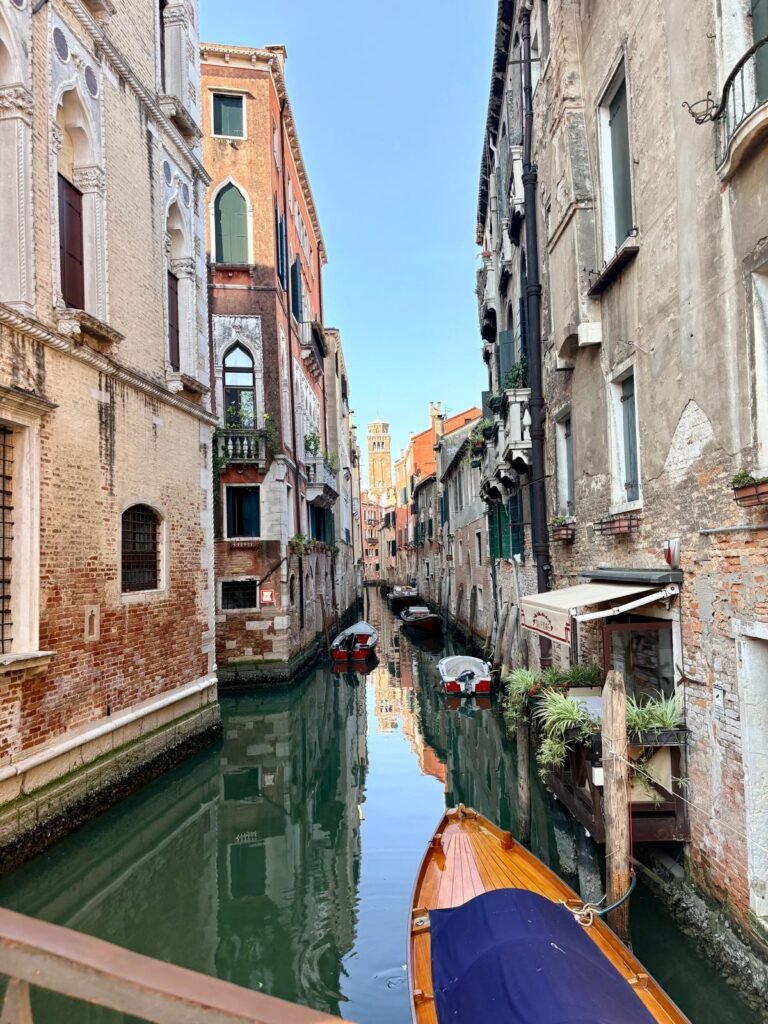
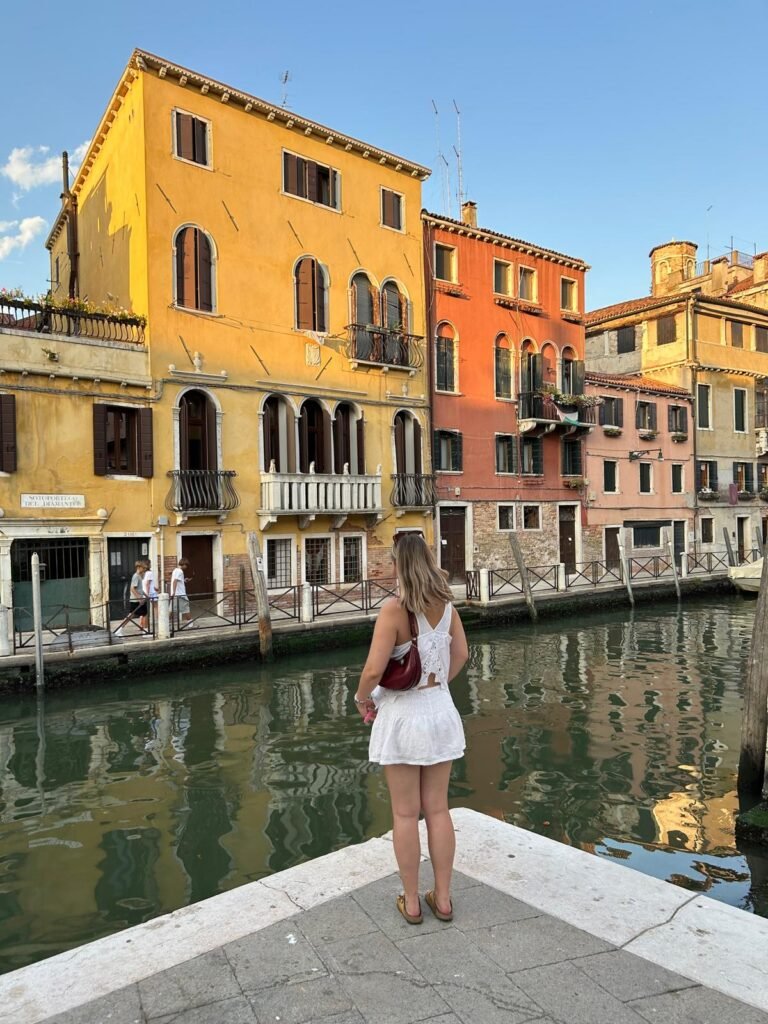
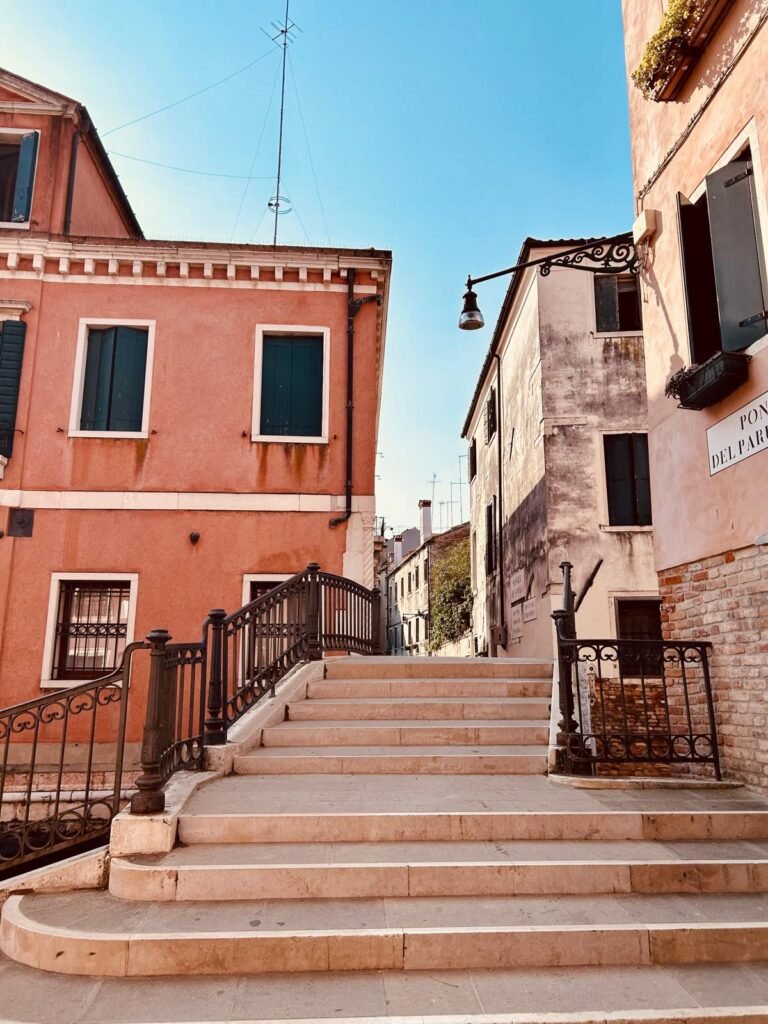
Venise fait partie de ces destinations qui semblent presque irréelles. Avec ses canaux sinueux, ses ponts charmants, ses bâtiments colorés et ses ruelles bordées de cafés et de boutiques d’artisans, on comprend aisément pourquoi elle est considérée comme l’une des villes les plus romantiques au monde.
J’étais également ravie de découvrir des boutiques locales proposant des produits italiens faits main, ce qui fait de Venise l’endroit idéal pour dénicher des souvenirs uniques.
🏠Où nous avons séjourné :
Pour faire des économies, nous avons séjourné à Mestre, juste à la périphérie de Venise. Les hébergements y sont bien plus abordables que sur l’île, et se rendre en ville n’aurait pas pu être plus simple.
🚆Comment s’y rendre :
Depuis Mestre, vous pouvez prendre un train jusqu’à la gare de Venezia Santa Lucia en environ 10 minutes. Les billets coûtent environ 1,50 €, et les trains circulent fréquemment tout au long de la journée et jusque tard dans la soirée.
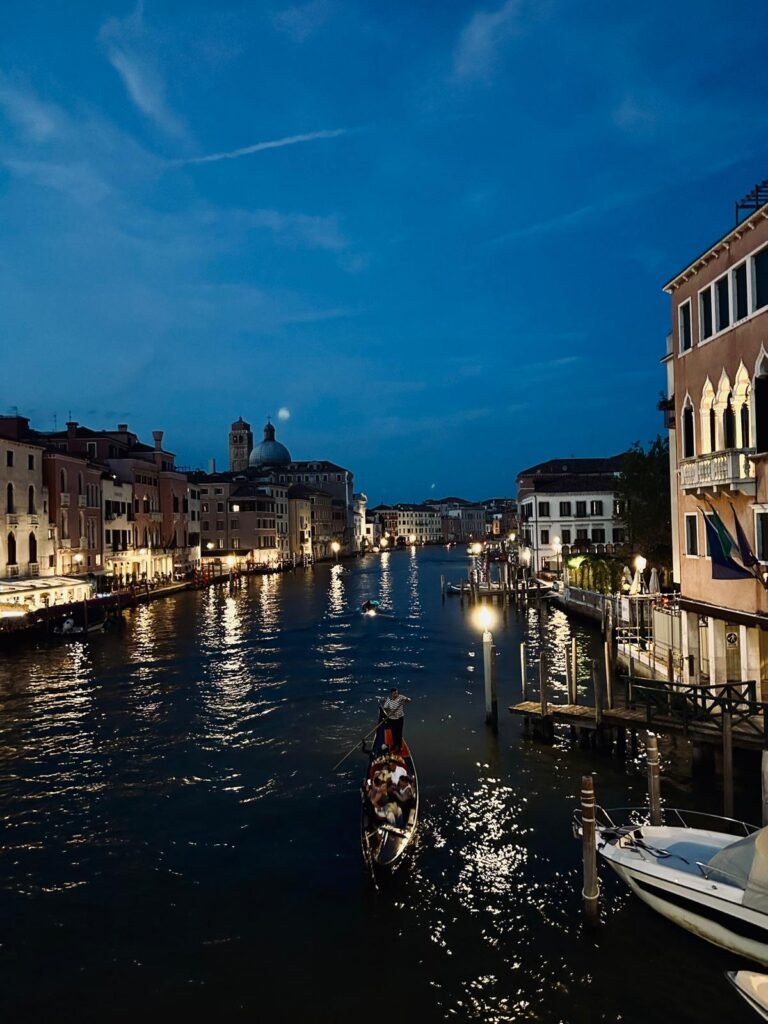
Je vous recommande tout particulièrement de rester jusqu’après le coucher du soleil. Admirer Venise illuminée la nuit, une fois que la plupart des touristes sont partis, donne à la ville une atmosphère complètement différente.
🌊Ce que j’ai aimé le plus:
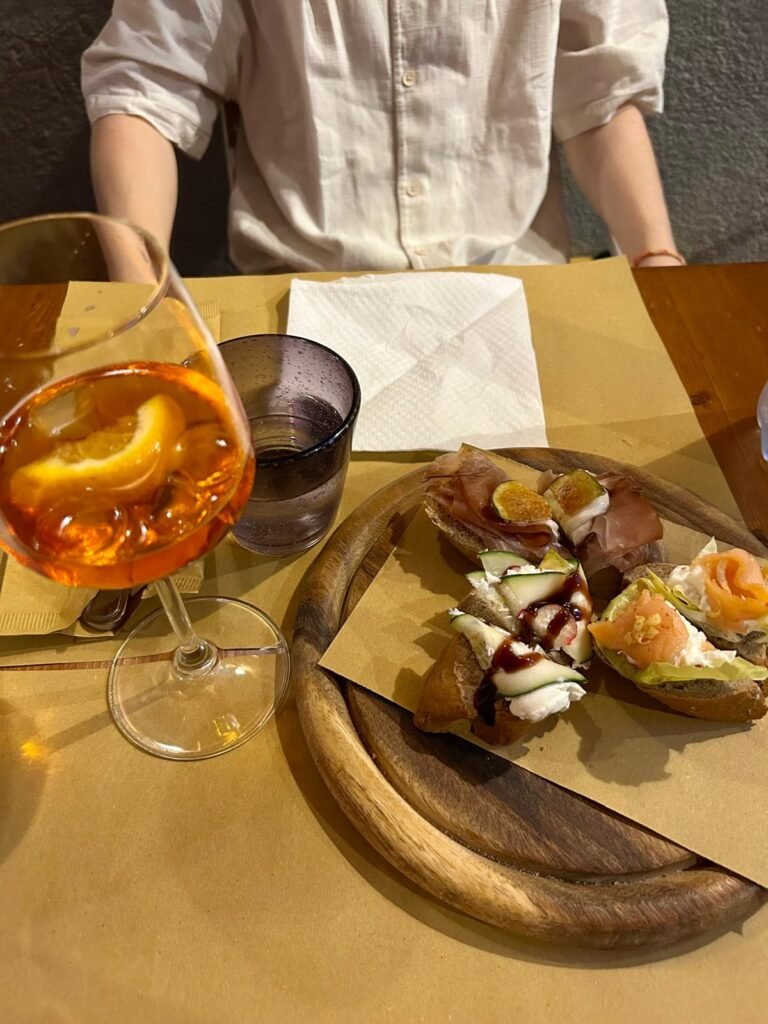
L’une de mes expériences préférées a été de goûter aux « cicchetti », ces petites bouchées traditionnelles vénitiennes servies dans les bars à vin locaux (les « bacari »). Elles s’apparentent aux tapas espagnoles et sont idéales si l’on souhaite découvrir différentes saveurs sans trop dépenser.
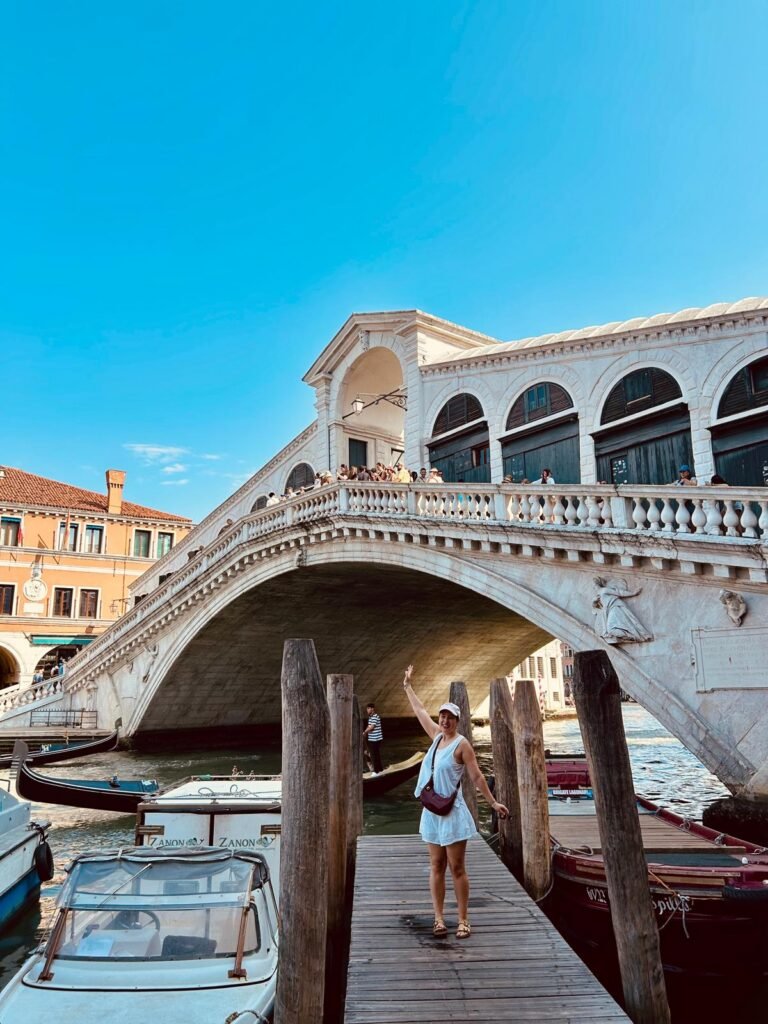
Le pont du Rialto est, bien sûr, un lieu incontournable. J’ai adoré y aller et regarder passer les gondoles. En tant qu’étudiante en littérature anglaise, cela m’a également rappelé « Le Marchand de Venise » de Shakespeare, ce qui a rendu la visite de ce pont encore plus spéciale.
⚠️Attention : si vous souhaitez pique-niquer à Venise, vous ne pouvez pas vous asseoir près des canaux, car vous risquez une amende.
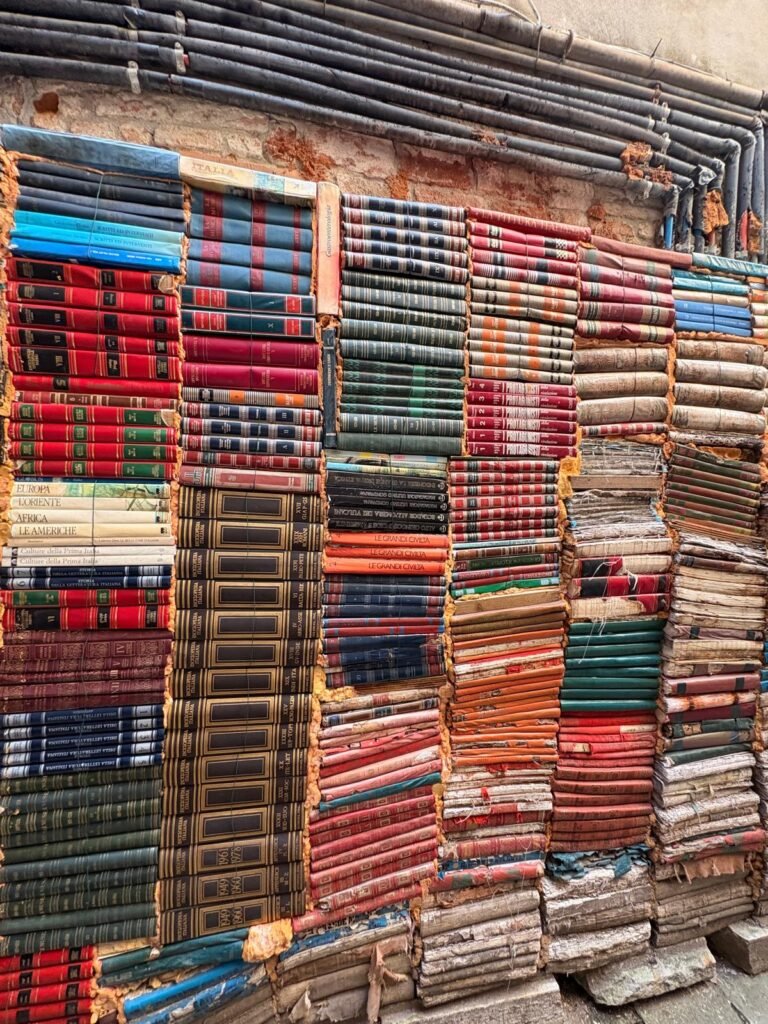
L’un de mes lieux cachés préféré était la Libreria Acqua Alta. Cette librairie d’occasion unique en son genre stocke ses livres dans des gondoles, des baignoires et des tonneaux afin de les protéger des inondations.
Que vous soyez à la recherche d’un souvenir ou que vous soyez simplement passionné de lecture, c’est un endroit fascinant à découvrir et l’un des lieux les plus mémorables de Venise.
❤️Est-ce que je recommande Venise? Oui !! Mais je ne pense pas qu’il soit nécessaire d’y passer trois jours entiers.
Venise est une ville relativement compacte, et au bout d’un moment, vous vous rendrez compte que vous parcourez sans cesse les mêmes rues et les mêmes places. À moins que vous ne prévoyiez de visiter les îles voisines comme Murano ou Burano, je pense que deux jours suffisent amplement pour découvrir les principaux attraits de la ville sans se sentir pressé.
Cela dit, Venise est une ville unique au monde, et c’est une destination que je recommanderais à tout le monde de visiter au moins une fois.
Pula (5 jours)
En préparant mon voyage Interrail, je souhaitais inclure une destination où je pourrais ralentir le rythme après l’effervescence des villes de Rome et de Venise. Pula s’est avérée être exactement ce que je recherchais.
Située dans la région d’Istrie, en Croatie, Pula allie histoire romaine, eaux cristallines et ambiance méditerranéenne décontractée. Me promener dans la ville m’a un peu rappelé Rome, grâce à son impressionnante arène romaine et au temple d’Auguste. Mais contrairement à Rome, on peut y passer l’après-midi à se baigner dans la mer Adriatique ou à explorer des criques cachées.
Si vous aimez l’histoire, la nature et les activités de plein air, Pula est la destination idéale.
🚆Comment s’y rendre :
Comme il y a très peu de liaisons ferroviaires vers la région d’Istrie, nous nous sommes rendus à Pula en FlixBus.
Honnêtement, FlixBus nous a sauvé plus d’une fois pendant ce voyage. Chaque fois qu’un train était annulé ou qu’il n’y avait pas de liaison ferroviaire pratique, nous comptions sur le bus à la place. C’est abordable, confortable et cela relie de nombreuses destinations difficiles d’accès en train.
🏠Où nous avons séjourné :
APT Smilja – Notre appartement se trouvait à quelques minutes à pied du centre-ville et de la mer, ce qui en faisait un excellent point de départ pour explorer Pula sans avoir besoin des transports en commun.
🌺Mes coups de cœur :
À la découverte du patrimoine romain
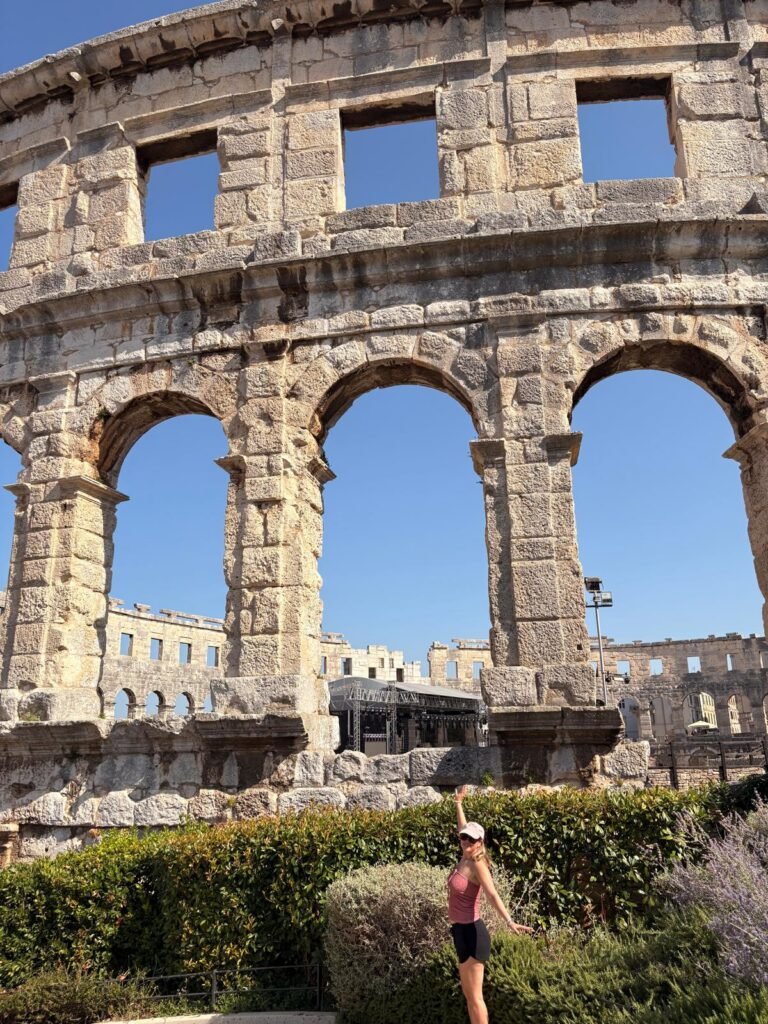
L’arène romaine de Pula est l’un des amphithéâtres les mieux conservés au monde et mérite vraiment le détour. Associée au temple d’Auguste, elle confère à la ville une atmosphère unique, à la fois historique et décontractée.
– Se baigner le long de la côte
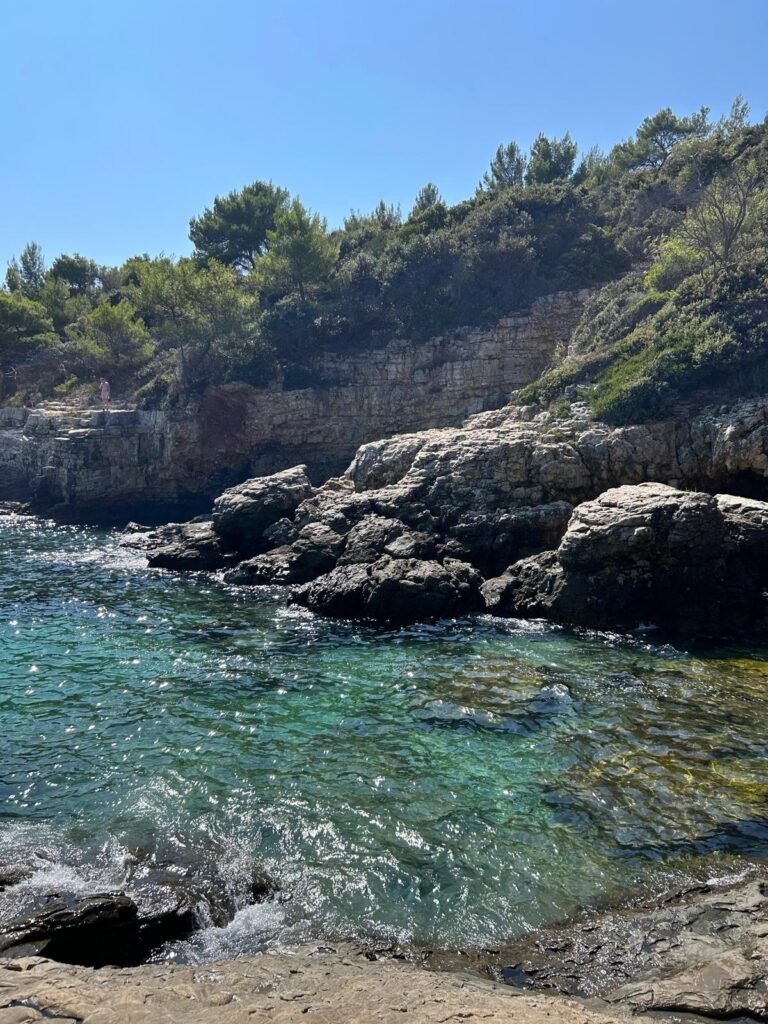
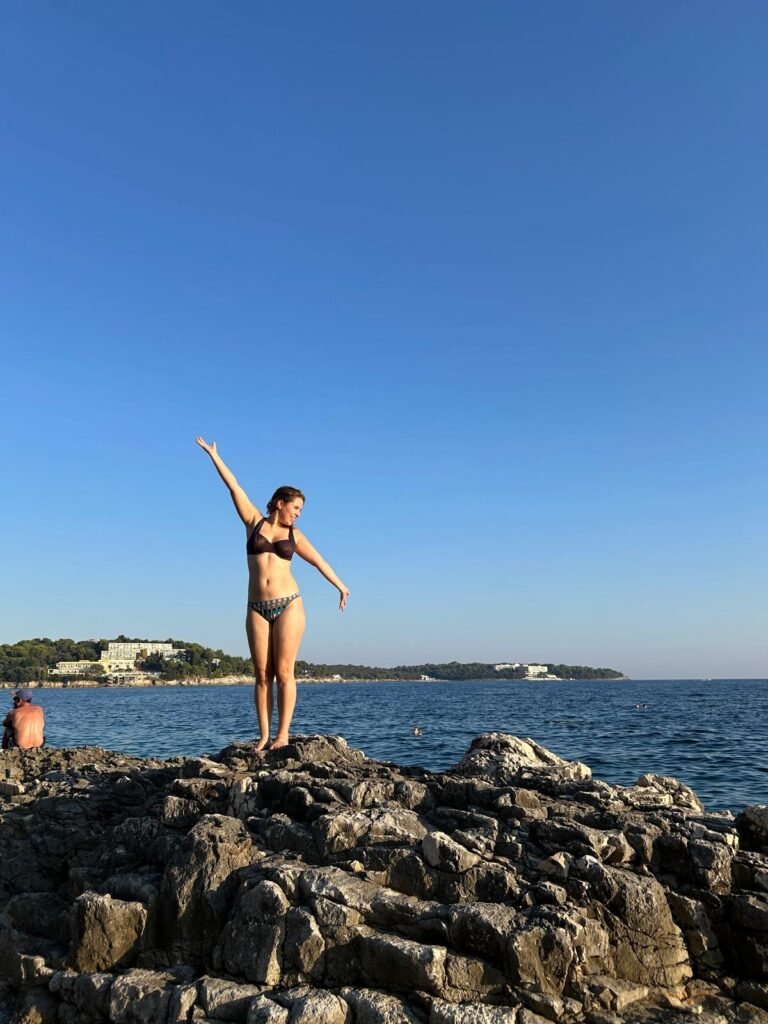
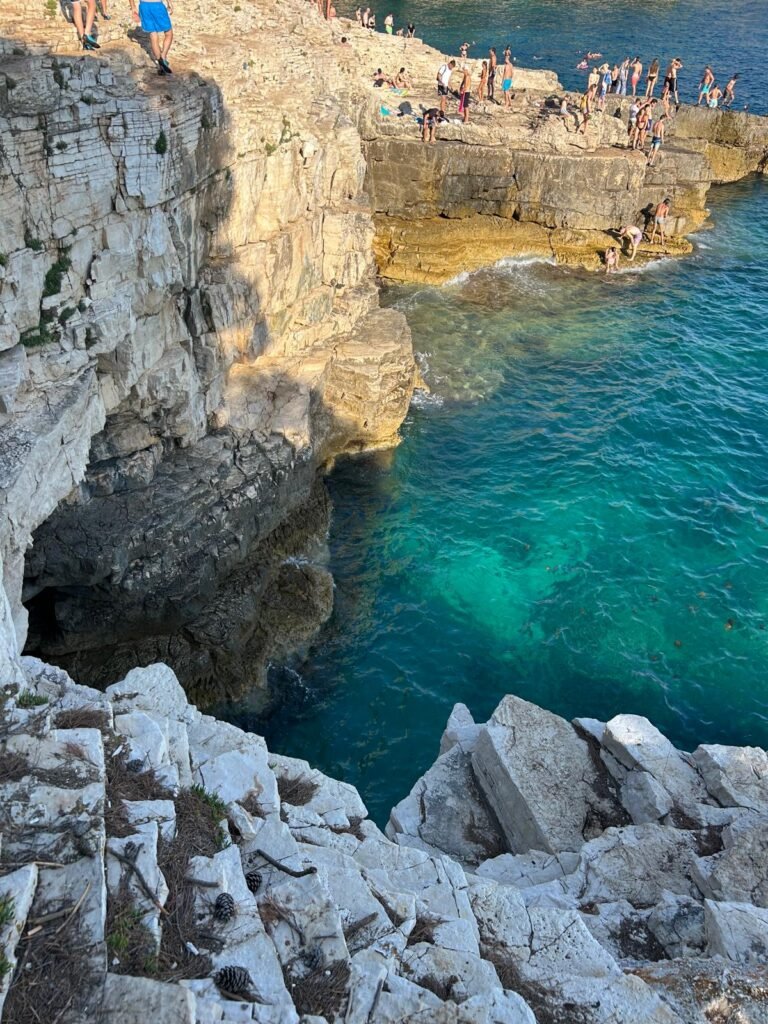
L’une des choses que j’ai le plus appréciées à Pula a été de découvrir ses magnifiques spots de baignade.
Je recommande tout particulièrement : la crique de Gortan et Galebove Stijene.
L’eau y est incroyablement claire, et Galebove Stijene est célèbre pour ses falaises, si vous vous sentez assez courageux vous pouvez essayer de plonger depuis les falaises.
Le littoral semble bien plus sauvage que de nombreuses plages en France, avec ses falaises rocheuses et sa nature préservée.
💡Conseil : les plages croates sont pour la plupart rocheuses plutôt que sablonneuses, et les oursins y sont fréquents ; je vous recommande donc vivement d’emporter des chaussures aquatiques.
-Activités de plein air
Si vous aimez les activités physiques, Pula offre de nombreuses possibilités de louer un kayak ou une planche de paddle.
-Excursion à Rovinj
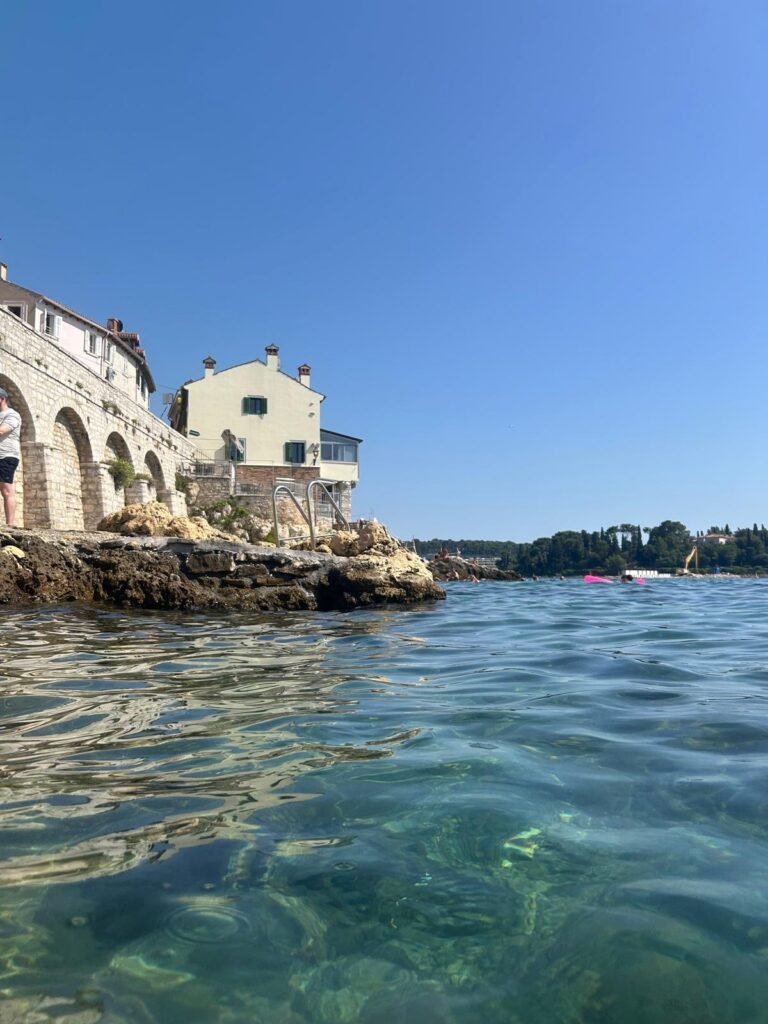
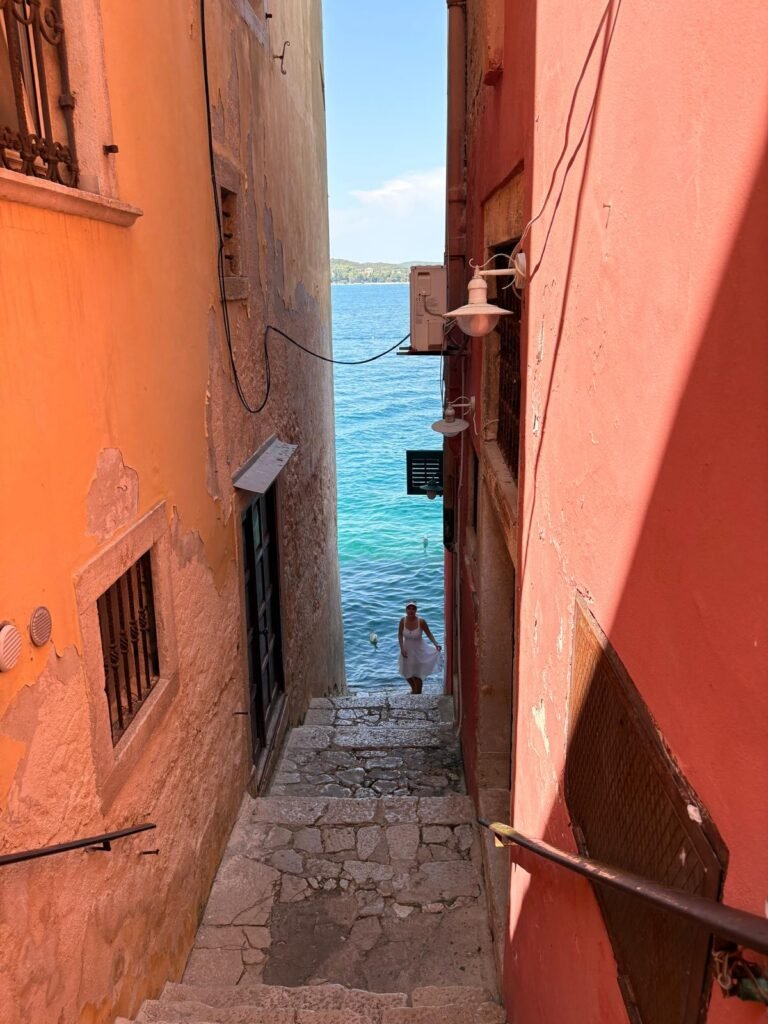
Si vous séjournez à Pula, ne manquez pas Rovinj. Située à environ une heure de bus, Rovinj a été l’une des villes les plus charmantes que j’ai visitées pendant mon voyage. Son front de mer coloré, ses ruelles étroites et son architecture vénitienne m’ont un peu rappelé l’Italie.
Mon moment préféré a été de passer l’après-midi à la plage de Balota, à nager dans une eau cristalline et à observer les poissons avec nos masques de plongée.
Vous pouvez également réserver des croisières d’observation des dauphins depuis le port de Rovinj, ce qui en fait une excursion d’une journée idéale.
💡Bon à savoir:
En tant que végétarienne, j’ai trouvé que la Croatie posait un peu plus de difficultés que l’Italie ou la Suisse.
Les supermarchés ne proposaient pas d’options végétariennes, et les menus des restaurants étaient souvent axés sur la viande et les fruits de mer ; il est donc conseillé de consulter les menus à l’avance si vous avez des préférences alimentaires.
❤️ Est-ce que je recommanderais Pula ? Absolument.
Pula était l’endroit idéal pour ralentir le rythme après l’effervescence de Rome et de Venise. Passer quelques jours au bord de la mer nous a permis de nous détendre, de nager et de profiter de la nature avant de poursuivre notre voyage Interrail.
Si vous prévoyez un circuit à travers l’Europe, je vous recommande vivement d’ajouter la Croatie à votre itinéraire, non seulement pour ses plages, mais aussi pour son histoire fascinante et son ambiance décontractée.
💡Mon conseil : restez-y 4 à 5 jours si vous voulez avoir le temps de vous détendre et de faire une excursion d’une journée à Rovinj.
Vienne (2 jours)
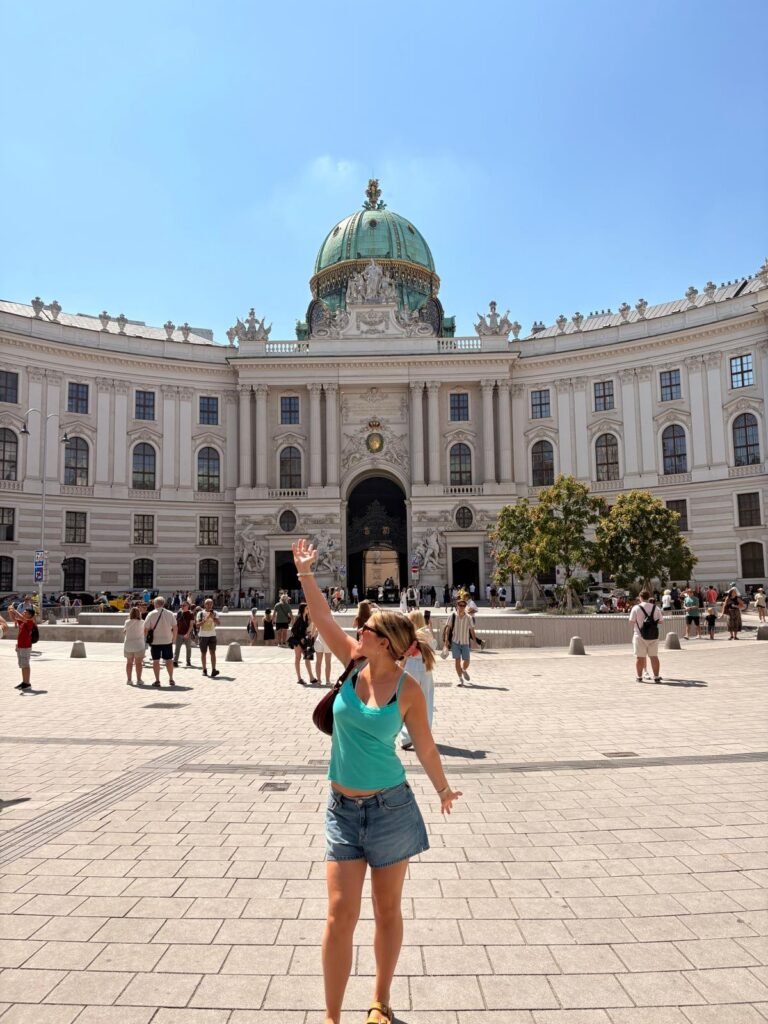
Je ne vais pas vous mentir : au départ, Vienne ne figurait pas sur mon itinéraire.
Nous avions simplement décidé de nous y arrêter pour couper court à une longue journée de voyage et éviter de passer des heures dans les trains. Avec le recul, je suis ravie que nous l’ayons fait, car Vienne s’est avérée être l’une de mes villes préférées en Europe.
La ville m’a tout de suite surprise par son architecture élégante, son ambiance détendue et la multitude d’activités gratuites qu’elle proposait. Je ne m’attendais pas non plus à trouver autant de restaurants végans, ce qui en fait une destination idéale pour les voyageurs végétariens et végans.
Si jamais je retourne en Autriche, Vienne figurera sans aucun doute en tête de ma liste.
🏠Où j’ai séjourné : Nous avons séjourné à l’hôtel Ibis, qui était une excellente option économique pour un court séjour. Il était situé juste à côté d’une station de métro, ce qui facilitait la découverte de la ville, et il y avait de nombreux restaurants et cafés à proximité.
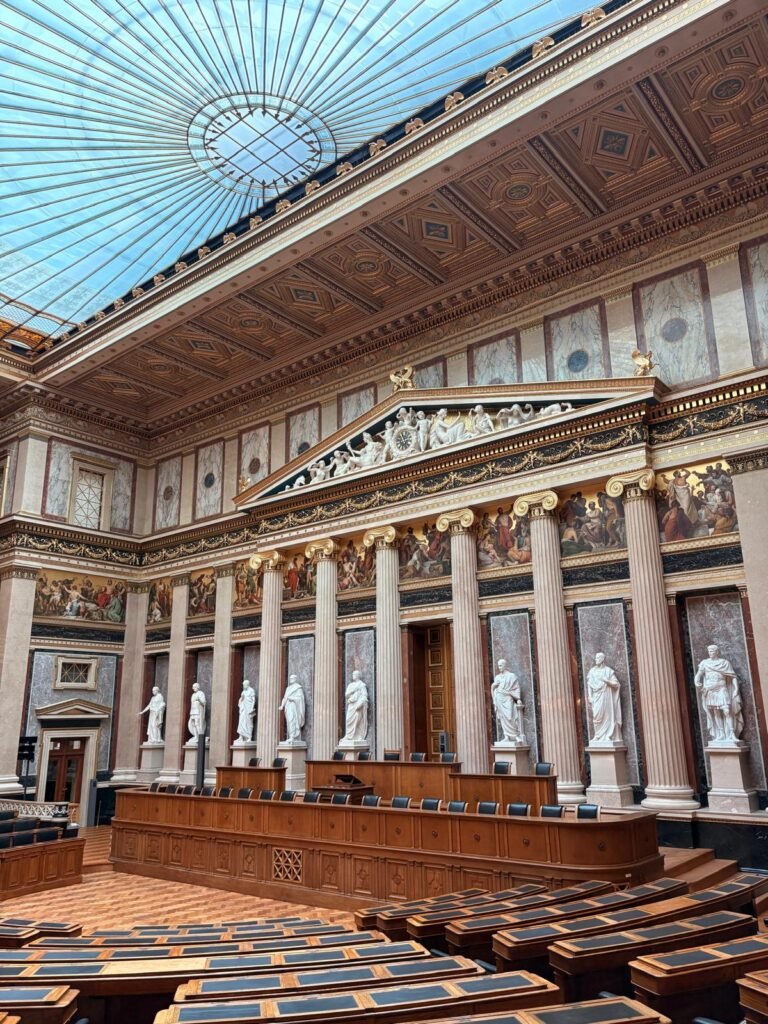
✨Ce que j’ai le plus aimé : l’une des plus grandes surprises a été de découvrir qu’il était possible de réserver une visite guidée gratuite du Parlement autrichien.
La visite a duré environ une heure, et j’en ai appris bien plus que prévu sur le système politique et l’histoire de l’Autriche. L’architecture intérieure du bâtiment est époustouflante, avec des salles impressionnantes et des pièces magnifiquement décorées.
Si vous visitez Vienne, je vous recommande vivement de réserver cette visite à l’avance.
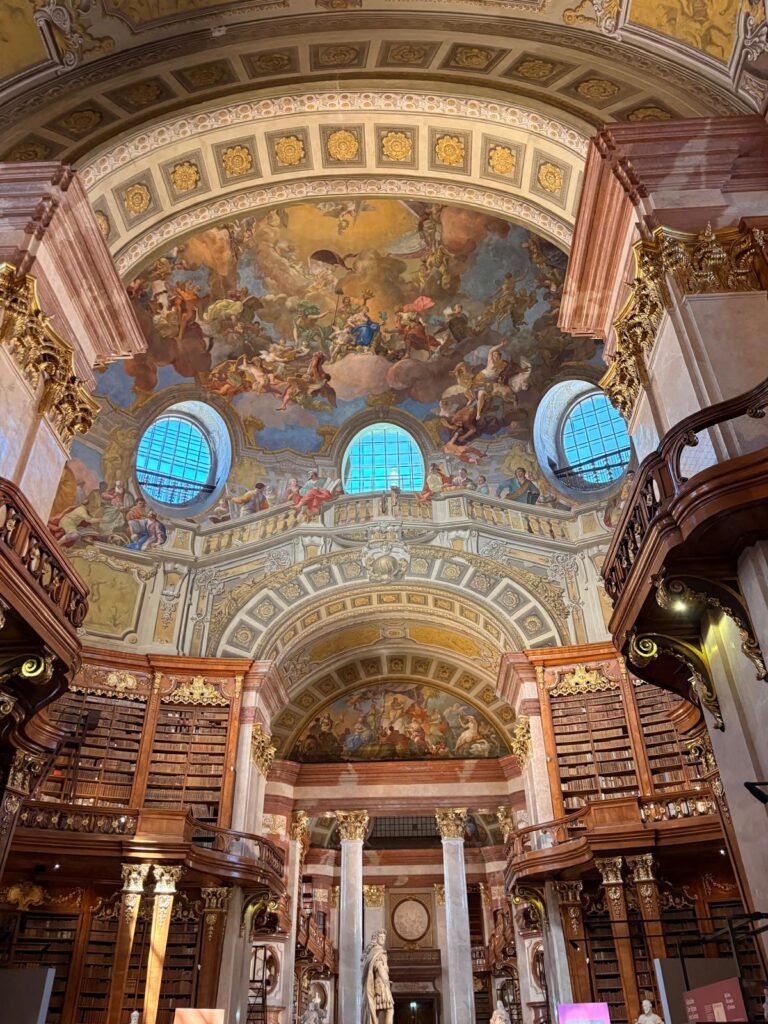
–La Bibliothèque nationale d’Autriche a sans doute été mon endroit préféré à Vienne.
Même si l’entrée coûte environ 12 €, cela en valait vraiment la peine. Vous pouvez acheter vos billets directement sur place.
La bibliothèque semble tout droit sortie du film « La Belle et la Bête », avec ses immenses étagères en bois, ses grands escaliers, ses fresques au plafond à couper le souffle et son atmosphère magique. Lors de ma visite, il y avait également une exposition temporaire sur l’amour, ce qui a rendu l’expérience encore plus mémorable.
❤️Est-ce que je recommande Vienne? Absolument. Vienne a complètement dépassé mes attentes et est devenue l’une des plus grandes surprises de tout mon voyage Interrail. L’un des principaux atouts de Vienne, c’est que le simple fait de s’y promener donne l’impression de visiter un musée à ciel ouvert.
Que vous aimiez l’histoire, l’architecture, les musées ou simplement flâner dans de belles rues, Vienne a de quoi satisfaire tout le monde. J’ai également apprécié le fait que de nombreuses attractions soient gratuites ou proposées à des prix raisonnables, ce qui en fait une destination idéale même si vous voyagez avec un budget limité.
Berlin (2 jours)
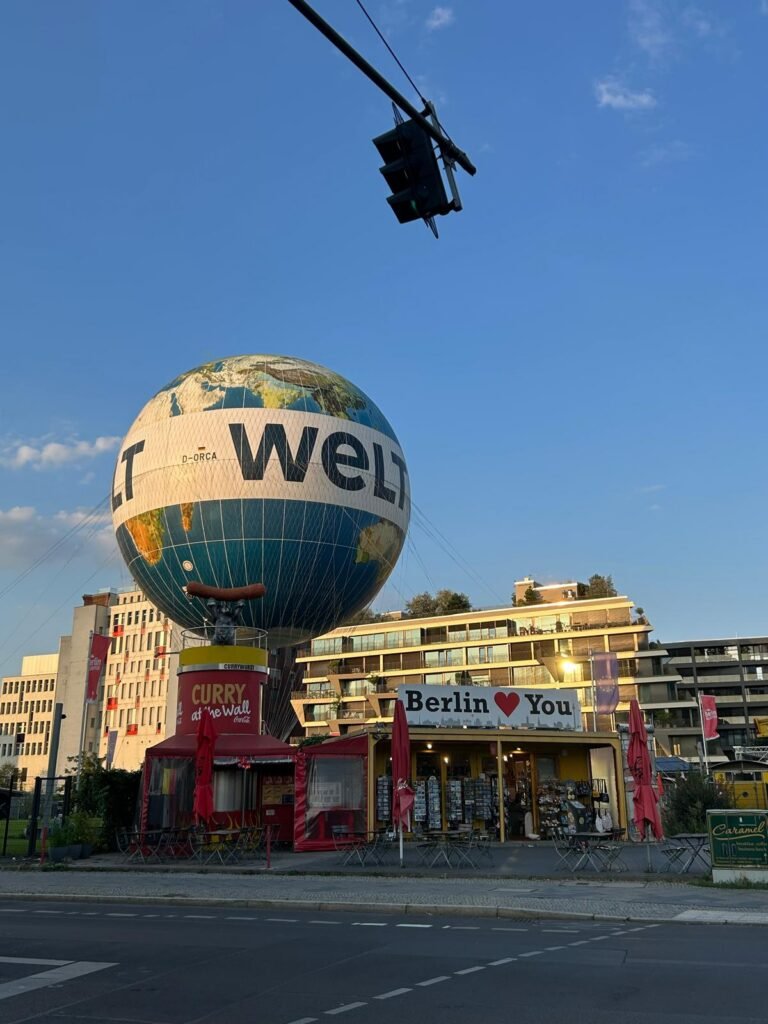
Berlin semblait être un choix évident pour notre itinéraire Interrail. En tant que capitale de l’Allemagne, elle possède un patrimoine historique incroyable et regorge de trésors culturels et artistiques à découvrir.
Nous avons toutefois décidé de ne pas y passer trop de temps. Comme nous habitons relativement près de l’Allemagne, nous savions que nous pourrions toujours y revenir pour un séjour plus long à l’avenir. Nous avons préféré profiter de notre voyage Interrail pour découvrir des endroits plus éloignés de chez nous
🏠Où j’ai séjourné : Acanama Hostel, c’est à la fois un hôtel et une auberge.
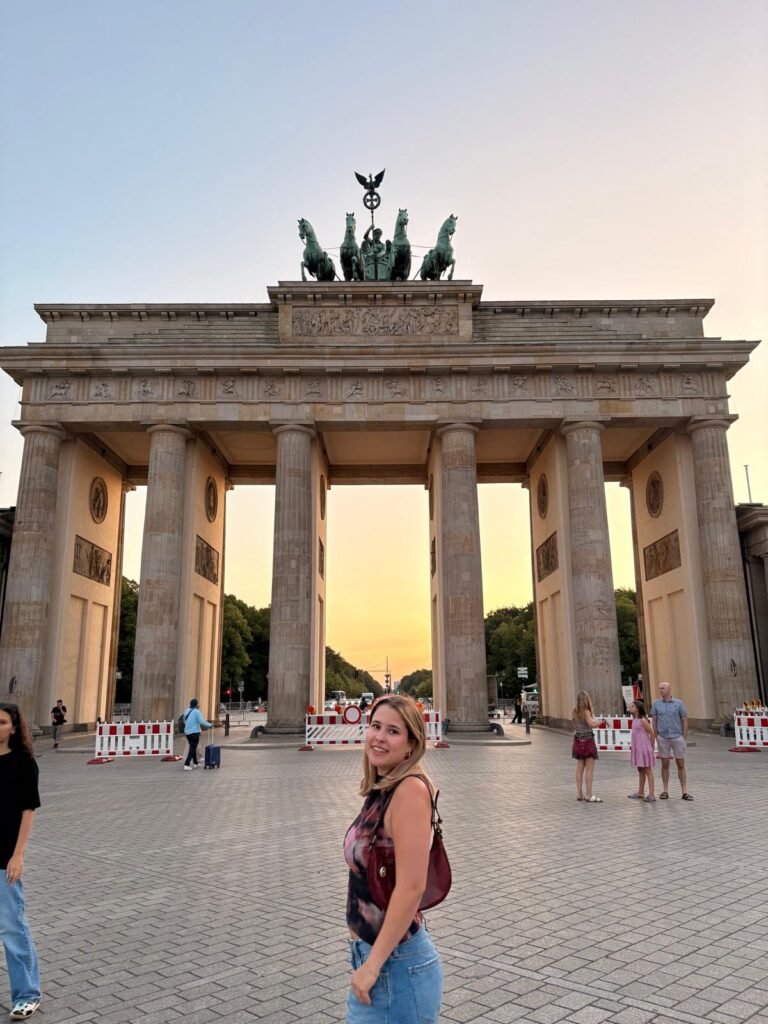
Notre auberge se trouvait à environ 20 minutes à pied de la porte de Brandebourg, avec de nombreuses rues animées, des restaurants et des cafés à proximité.
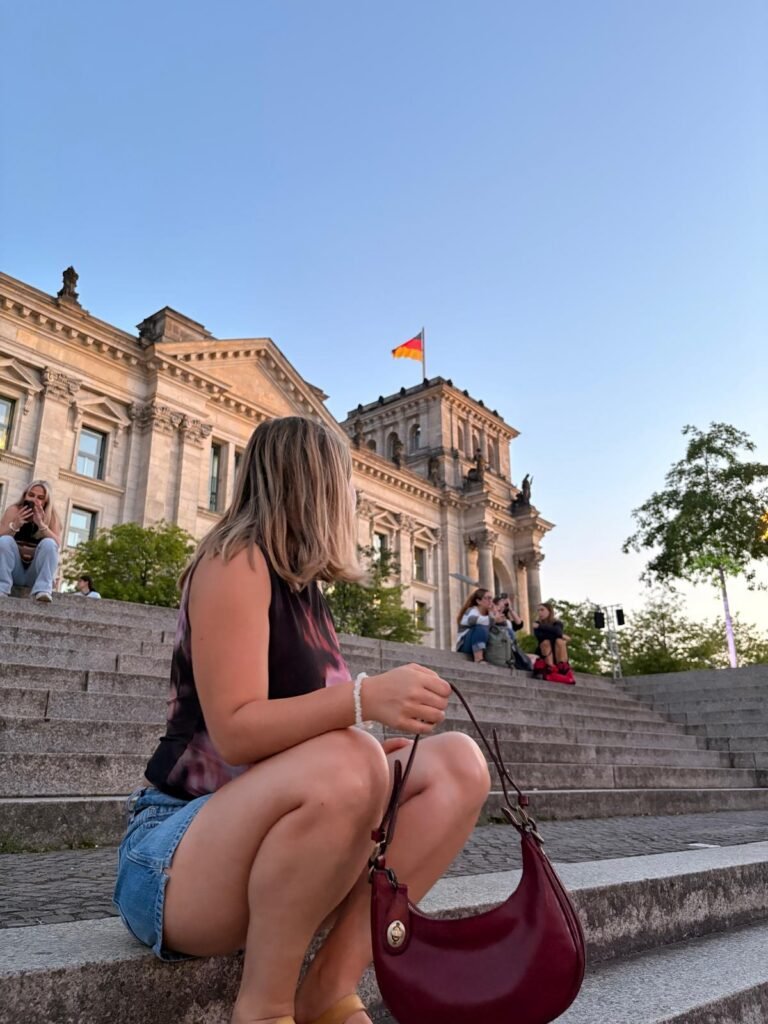
Je me suis toutefois rapidement rendu compte que Berlin était immense. Je me suis parfois sentie un peu dépassée par les distances entre les lieux que nous voulions visiter. Contrairement à des villes plus petites comme Venise ou Lucerne, on ne peut pas forcément se déplacer partout à pied.
- 💡Tips: Make good use of Berlin’s public transportation. It will save you a lot of time and energy, especially if you’re only staying for a couple of days.
✨Mes moments préférés
-Le Musée juif a sans doute été mon musée préféré à Berlin.
J’avais déjà visité le Musée juif d’Amsterdam, mais l’expérience à Berlin a été complètement différente. Ce que j’ai le plus apprécié, c’est la façon dont l’architecture elle-même était mise à contribution pour transmettre des émotions et raconter l’histoire.
Les salles atypiques, les espaces vides, l’éclairage et les sons suscitent des sensations variées au fur et à mesure que l’on parcourt le musée. Cela va bien au-delà du simple fait de regarder des objets historiques derrière une vitrine.
Si vous ne vous précipitez pas, vous pouvez facilement passer environ trois heures à l’explorer.
Et l’un des principaux atouts ? L’entrée est gratuite.
–Holzmarkt
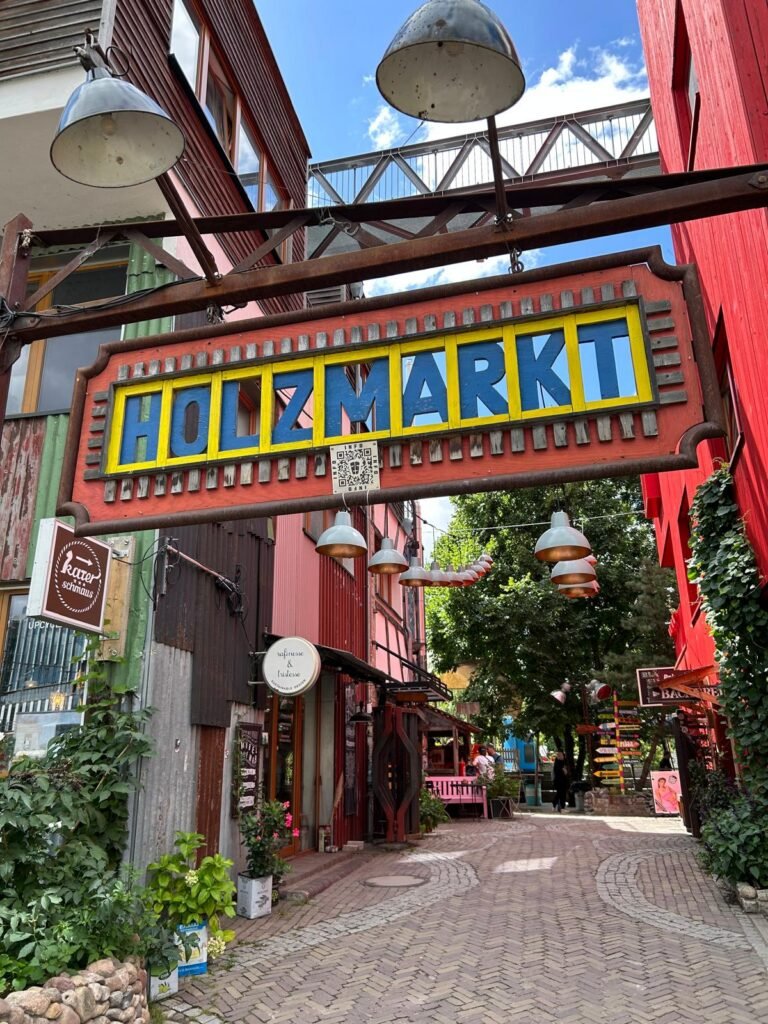
Pour le déjeuner, nous sommes allés à Holzmarkt, un quartier créatif au bord de la rivière avec différents stands de restauration et beaucoup d’espace pour s’asseoir en terrasse.
Pendant la journée, j’ai adoré l’atmosphère paisible qui y régnait. S’asseoir au bord de la rivière avec un plat acheté à l’un des stands était une pause idéale après une journée de visites.
Mais Holzmarkt offre une ambiance complètement différente la nuit, lorsqu’il se transforme en un lieu animé propice à la fête et aux événements.
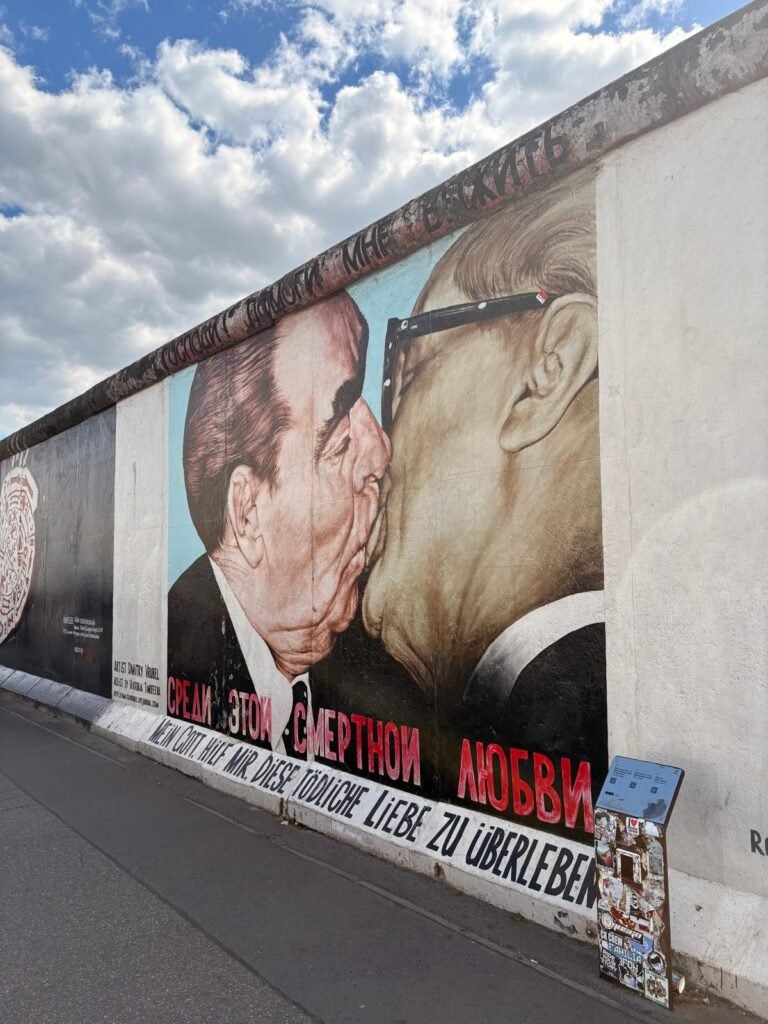
–East Side Gallery
Bien sûr, nous ne pouvions pas visiter Berlin sans voir l’East Side Gallery.
Me promener le long du mur de Berlin et découvrir toutes ces œuvres d’art a été l’une de mes activités préférées. Le mur est incroyablement long, et chaque section recèle une fresque différente à découvrir.
C’est aussi un excellent rappel de l’histoire de Berlin et de l’ampleur des changements qu’a connus la ville.
❤️Est-ce que je recommanderais Berlin ?
Oui ! Mais je choisirais sans doute une autre saison.
J’y suis allée en été, et personnellement, Berlin ne m’a pas donné la même impression d’été que des endroits comme l’Italie ou la Croatie. Je pense que j’adorerais y retourner à l’automne, quand la ville semble mieux correspondre à cette ambiance.
Je recommanderais également de prévoir au moins 3 à 4 jours si vous voulez vraiment explorer Berlin comme il faut. En seulement deux jours, nous avons dû faire des choix assez sélectifs quant aux lieux à visiter.
Pour notre voyage Interrail, cependant, deux jours ont suffi pour avoir un avant-goût de la ville.
💶Budget : combien m’ont coûté trois semaines de voyage Interrail en Europe ?
| TOTAL | 3988€ |
| Logements | 1719€ |
| Nourriture | 1444€ |
| Pass Interrail | 430€ |
| Autres moyens de transports | 333€ |
| Activités | 35€ |
| Souvenirs | 23€ |
⚠️ceci est un budget pour deux personnes
🚆Ce que je changerais
1. Je passerais moins de temps à Venise.
Trois jours, c’était un peu trop pour moi. La ville est assez petite, et au bout d’un moment, on se retrouvait à arpenter les mêmes rues. Je pense que deux jours auraient été parfaits.
2. J’aurais prévu plus de temps à Vienne.
Au départ, Vienne ne figurait même pas sur notre liste, mais c’est devenu l’une de mes destinations préférées. Si je refaisais ce voyage, j’y consacrerais sans aucun doute plus de temps.
3. Je tiendrais compte de la chaleur en Italie.
Nous avons voyagé pendant une vague de chaleur, ce qui nous a obligés à modifier nos plans à Rome et à faire beaucoup plus d’activités le soir. En fait, cela s’est avéré être l’un de mes moments préférés du voyage, mais la prochaine fois, je vérifierais la météo plus attentivement avant de décider quand partir.
4. Je laisserais plus de place à la spontanéité.
Certains de mes meilleurs moments se sont produits alors que nous n’avions rien prévu : que ce soit la découverte d’un petit restaurant, une baignade dans un endroit inattendu ou la décision d’explorer une ville pendant l’après-midi.
5. Je réserverais certains billets de train plus tôt.
Si vous voyagez en été, ne sous-estimez pas la rapidité avec laquelle les trains les plus prisés peuvent afficher complet. Et n’oubliez pas que le fait d’avoir un Pass Interrail ne signifie pas nécessairement que tous les trains sont accessibles sans réservation.
Quelques conseils avant votre voyage intérrail
Après trois semaines de voyage à travers l’Europe, voici quelques conseils que j’aurais aimé connaître avant de partir.
– Réservez votre hébergement à l’avance
Si vous connaissez déjà votre itinéraire, réservez votre hébergement le plus tôt possible. Les prix peuvent grimper rapidement, surtout en été.
💡Mon conseil : guettez les périodes de promotion. Par exemple, j’ai trouvé de bonnes affaires pendant les soldes d’hiver de janvier sur Booking.
– Voyagez léger
Cela peut sembler évident, mais emportez moins de choses que ce dont vous pensez avoir besoin.🎒
Vous devrez porter votre sac à dos dans les gares, monter des escaliers, traverser des villes et parfois jusqu’à votre hébergement. Croyez-moi, vous ne voulez pas vous encombrer de vêtements que vous ne porterez jamais.
Ma règle ? N’emporte que les vêtements que tu adores porter. Si tu hésites à emporter quelque chose, c’est probablement que tu n’en as pas besoin.
– Renseigne-toi sur les activités avant de partir
Avant d’arriver à chaque destination, prends le temps de te renseigner sur les activités gratuites et celles qui nécessitent une réservation.
Certaines des meilleures expériences que nous avons vécues étaient entièrement gratuites, tandis que d’autres attractions populaires devaient être réservées à l’avance.
Pour certains sites emblématiques, vous pouvez réserver vos billets un mois à l’avance, voire plus, mais les créneaux horaires les plus prisés peuvent se remplir étonnamment vite.
💡Mon conseil : dressez une liste des activités que vous ne voulez absolument pas manquer et vérifiez quand les réservations s’ouvrent. Vous pouvez toujours laisser le reste de votre itinéraire flexible.
– Ne planifiez pas chaque minute
Et voici peut-être mon conseil le plus important : laissez place à la spontanéité.
Certains de mes meilleurs souvenirs remontent à des moments où nous n’avions pas vraiment de programme : flâner dans un quartier, découvrir un petit restaurant ou décider de rester quelque part plus longtemps que prévu.
Un voyage Interrail, c’est découvrir l’Europe, mais c’est aussi profiter du voyage.
FAQ sur un voyage Interrail
Est-ce que trois semaines suffisent pour un voyage Interrail ?
Je pense que cela dépend vraiment du nombre de pays que vous souhaitez visiter et de la distance qui les sépare les uns des autres.
Une chose est sûre : ne sous-estimez pas les jours de trajet. Passer plusieurs heures dans le train peut être étonnamment fatigant, surtout quand on porte un sac à dos et qu’on doit changer de train.
Pour moi, deux semaines à un mois, c’est probablement la durée idéale pour un voyage Interrail à travers l’Europe. Cela vous laisse suffisamment de temps pour découvrir plusieurs destinations sans avoir l’impression d’être constamment pressé de prendre le prochain train.
Combien coûte un voyage Interrail ?
Tout dépend vraiment de la durée de votre voyage et du type d’expérience que vous recherchez.
Préférez-vous séjourner dans des auberges de jeunesse, des Airbnb ou des hôtels ? Allez-vous manger au restaurant tous les jours ? Combien d’activités souhaitez-vous faire ?
Pour nous, qui voyagions en couple, il était important d’avoir un peu d’intimité. Cependant, en tant qu’étudiants, nous ne pouvions pas nous permettre de passer toutes nos nuits à l’hôtel. Nous avons donc varié les formules : parfois, nous logions dans des appartements privés ou des hôtels économiques, et parfois, nous choisissions des auberges de jeunesse.
💡Mon conseil ? Ne vous sentez pas obligés de choisir un seul type d’hébergement. Variez les formules en fonction de la destination et de votre budget.
Quels sont les meilleurs pays pour voyager avec Interrail ?
Je vous recommande de choisir des villes bien desservies par le train, surtout s’il s’agit de votre premier voyage Interrail. Cela facilite grandement le trajet et réduit le nombre de correspondances compliquées.
Mais ne limitez pas votre itinéraire aux grandes villes.
J’ai adoré mêler culture, histoire, nature, plages et grandes villes européennes tout au long de notre voyage. Ainsi, chaque destination nous a semblé différente.
Par exemple, après avoir flâné à Rome et à Venise, passer plusieurs jours au bord de la mer en Croatie était exactement ce dont nous avions besoin.
Est ce que ca vaut le coût de faire un voyage Interrail?
Pour moi, l’un des principaux avantages de l’Interrail était la liberté et la flexibilité. Nous n’avions pas à nous soucier d’acheter un tout nouveau billet chaque fois que nous voulions prendre le train, et nous pouvions adapter nos projets lorsque les choses ne se passaient pas exactement comme prévu.
Cette flexibilité a rendu le voyage beaucoup moins stressant. Nous pouvions modifier nos projets, prendre un autre train si nécessaire, et nous concentrer davantage sur le plaisir du voyage plutôt que de nous inquiéter à chaque correspondance.
Le Pass Interrail nous a permis de découvrir tant de villes et de pays différents en seulement trois semaines, et je pense sincèrement que je me souviendrai de ce voyage toute ma vie.
Mais s’il y a une chose que je dirais à quiconque envisage un voyage Interrail, c’est celle-ci :
Ne vous précipitez pas simplement parce que vous avez un train à prendre. Ralentissez le rythme, flânez dans les rues, installez-vous à la terrasse d’un café et laissez-vous aller à vous perdre de temps en temps.
Certains de mes meilleurs souvenirs n’étaient pas du tout prévus.
Trois semaines, plusieurs pays, d’innombrables trajets en train et tant de souvenirs plus tard, je peux dire en toute sincérité que l’Interrail a été l’un des meilleurs moyens que j’aurais pu choisir pour découvrir l’Europe. Je n’ai pas aimé toutes les destinations de la même façon, et il y a certainement des choses que je changerais, mais cela fait partie du voyage. Parfois, ce sont les endroits inattendus qui deviennent vos préférés. Et c’est exactement ce qui a rendu ce voyage si spécial. 🌺

3 commentaires